Wire Materials for High-Temperature Applications
When it comes to high temperature applications, there are a number of other wire materials to consider in addition to 200°C double enameled wire. Below are a few common wire materials that are suitable for high temperature environments:
- polyether ether ketone (PEEK) wire: PEEK is a high-performance plastic with excellent heat resistance and chemical stability. It can operate for long periods of time in high-temperature environments, and is usually able to withstand higher temperature ranges, such as 260°C.
- Polytetrafluoroethylene (PTFE) wire: PTFE is a material with excellent resistance to high temperatures. It has excellent electrical insulation properties and chemical stability at high temperatures, and is typically able to withstand temperatures up to 260°C. It can be used in a wide variety of applications, such as in the manufacture of electrical wires.
- Ceramic Insulated Wire: Ceramic insulated wires use ceramic fibers as an insulating material with excellent high temperature resistance and electrical insulation properties. They are usually able to withstand extremely high temperatures, such as 1200°C or higher.
- Silicone Rubber Wire: Silicone rubber has good high temperature resistance and can usually withstand temperatures as high as 200°C to 250°C. Silicone rubber can be used in a variety of applications. It remains soft and flexible in high temperature environments and has high electrical insulation properties.
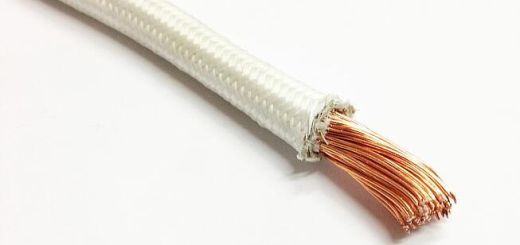
- Heat-resistant glass-filament wire: Heat-resistant glass-filament wires use glass fibers as the insulating material and have excellent high-temperature resistance and electrical insulation properties. They are typically able to withstand high temperatures, such as 600°C or higher.
These materials provide good high temperature resistance and electrical insulation in their respective temperature ranges. However, specific application requirements and environmental conditions may vary, so when selecting a wire material for a particular high temperature application, it is recommended to refer to the relevant standards, manufacturer’s technical guidelines, and professional advice to ensure that the right material and specifications are selected.