Tin-Plated Conductors: Benefits, Process and Applications
Tin-plated conductors are a manufacturing process in which tin is plated onto the surface of other metal conductors to provide specific properties and benefits. The following are details about tinned conductors:
- Tin-plating process: The manufacturing process of tin-plated conductors typically involves the following steps:
- Cleaning: The conductor surface is cleaned to remove grease, oxides and other contaminants.
- Pre-treatment: A layer of suitable base metal, such as copper, is formed on the conductor surface. This helps to improve the adhesion and quality of the tinned layer.
- Tin plating: The conductor is immersed in an electrolytic solution containing tin salts, and a tin layer is formed on the surface of the conductor by current transfer. The thickness of the tin layer can be controlled according to specific needs.
- Cleaning and drying: The tin-plated conductor is cleaned to remove residual electrolyte and impurities, and dried.
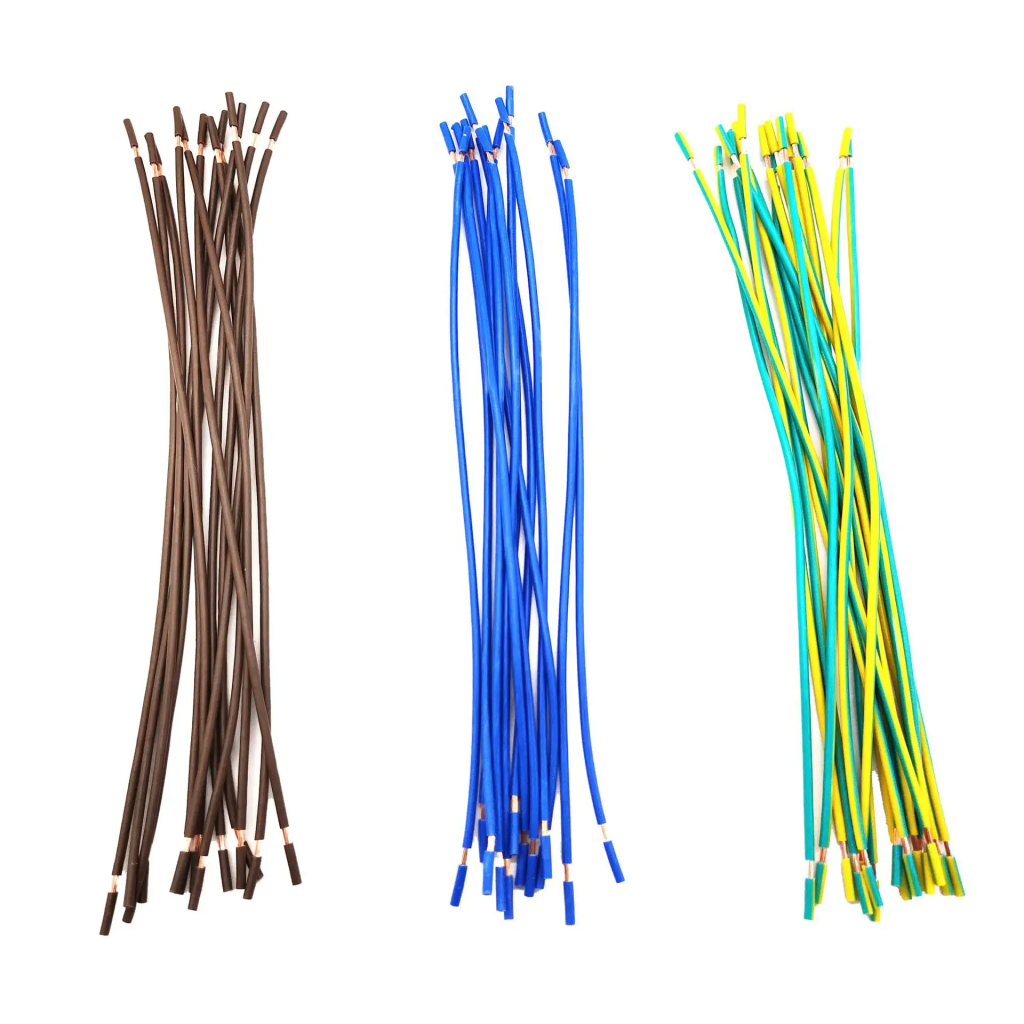
- Advantages and applications:
- Corrosion resistance: Tin has good corrosion resistance and protects the conductor surface from oxidation, corrosion and other chemical reactions. This makes tin-plated conductors have better stability and durability in humid and corrosive environments.
- Solderability: The silver-white tin layer on the surface of tin-plated conductors melts easily during the soldering process, forming a reliable solder connection with other soldering materials. This makes tin-plated conductors widely used in electronic equipment and circuit board manufacturing for reliable soldered interfaces.
- Low Oxidation Rate: Tin has a low oxidation rate, which reduces the effect of the oxide layer on conductivity. This is important for applications requiring low resistance and stable current transfer.
- Aesthetics: Tin-plated conductors have a clean, shiny surface with a good appearance for some applications that require a high level of aesthetics. Tin-plated conductors are commonly used in electronic equipment, cables, connectors, electronic components, communication equipment and automotive electronics. It offers the advantages of electrical conductivity, corrosion resistance and solderability, while protecting the conductor from the environment and chemicals.