Bare Wire vs Enameled Wire: Key Differences
Bare wire and enameled wire are two common types of wire that differ significantly in their insulation. Here are the detailed differences between bare wire and enameled wire:
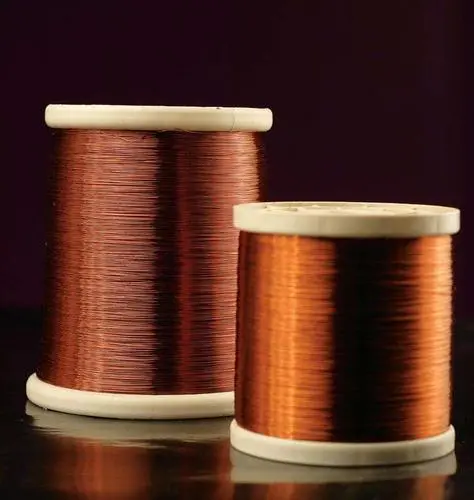
- Insulation: Bare wire does not have an insulating layer; it is a conductive material made of pure metal (usually copper or aluminum) with no external insulation protection. Enameled wire, on the other hand, has an insulating layer, which is usually made of an enameled insulating material (e.g., polyacetate lacquer) wrapped around the metal conductor to provide electrical insulation.
- Insulation: Since bare wire has no insulating layer, its electrical insulation performance is very low, which can easily lead to short-circuiting of electric current, electric shock and other safety problems. Enameled wire, on the other hand, provides good electrical insulation performance through the presence of an insulating layer, which can effectively isolate the current between the wire and other objects.
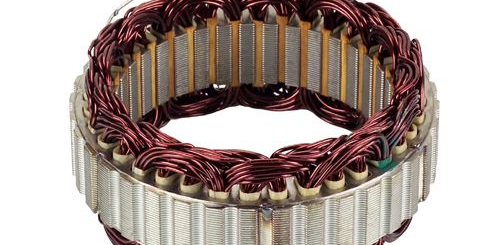
- Scope of application: Due to the poor electrical insulation properties of bare wire, it is generally only suitable for some special applications, such as grounding wires and welding wires. Enameled wire, on the other hand, is widely used in a variety of electronic equipment, motors, transformers and other applications to provide the necessary electrical insulation and protection.
- Thermal conductivity: Bare wire has better thermal conductivity and heat can be conducted faster. Enameled wire insulation on the conduction of heat has a certain role in hindering the conductivity of heat, thermal conductivity is relatively poor.
- Environmental protection: Since the bare wire is not protected by an insulating layer, it is susceptible to the erosion of moisture, dust, chemicals, etc. in the environment, and is prone to corrosion and damage. Enameled wire insulation can provide some protection, more durable for some applications in harsh environments.
In summary, bare wire and enameled wire in the presence or absence of insulation and the corresponding electrical insulation performance there are obvious differences. The selection of the right type of wire should be evaluated and decided according to the specific application needs, safety requirements and environmental conditions.