What Is Aluminum Solenoid Wire? Properties and Applications
Aluminum solenoid wire is a type of wire made from aluminum conductors and is commonly used in coils and windings of electrical equipment such as motors, transformers, and generators. Here are the details about Aluminum Magnet Wire:
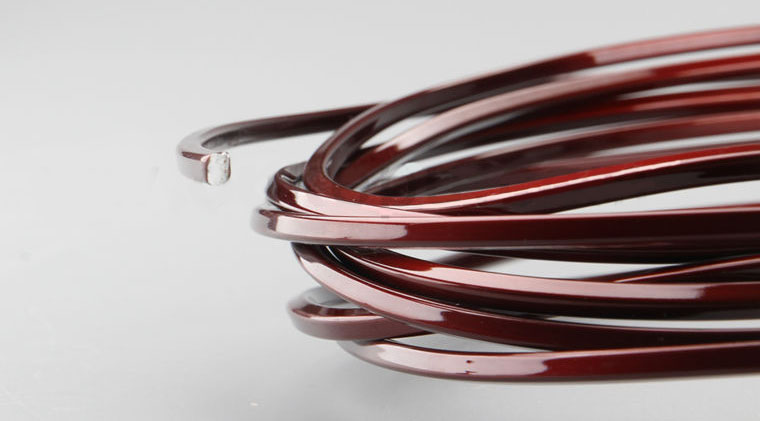
- Material: the conductor part of aluminum magnet wire is made of pure aluminum or aluminum alloy. Pure aluminum conductor has good electrical conductivity, while aluminum alloy conductor is improved by adding other metal elements to improve its mechanical properties and corrosion resistance.
- Advantages:
- Low cost: the raw material cost of aluminum solenoid wire is lower compared to copper solenoid wire because aluminum is a more common and cheaper metal.
- Lightweight: Aluminum has a lower density, so aluminum solenoid wires are lighter than copper solenoid wires of the same cross-sectional area, making them suitable for applications where weight is important, such as automotive and aerospace.
- GOOD CONDUCTIVITY: Even though aluminum has a lower conductivity than copper, it still has good conductivity for many low and medium power applications.
- limitations:
- Electrical Conductivity Properties: Compared to copper conductors, aluminum conductors have about 61% of the conductivity of copper, so aluminum solenoid wires need to have a larger cross-sectional area for the same resistance requirement.
- Heat dissipation: Due to the relatively high resistance of aluminum conductors, a certain amount of heat is generated when current is passed through aluminum solenoid wires. Therefore, in high power applications, good thermal design needs to be considered to avoid overheating problems.
- Mechanical properties: Compared to copper, aluminum has lower mechanical strength and is prone to deformation or fracture. Therefore, attention needs to be paid to the mechanical strength and tensile strength of aluminum solenoid wires during the design and manufacturing process.
- Application areas: Aluminum solenoid wires are widely used in a variety of low-power and medium-power electrical equipment, including power tools, home appliances, lighting equipment, electric vehicles and so on. In these applications, the conductivity and weight requirements can be met through rational design and selection of appropriate cross-sectional area.
It should be noted that there are differences in electrical conductivity, mechanical and thermal properties between aluminum and copper magnet wires, so the selection of magnet wires should be evaluated and decisions should be made based on the needs and requirements of specific applications.


