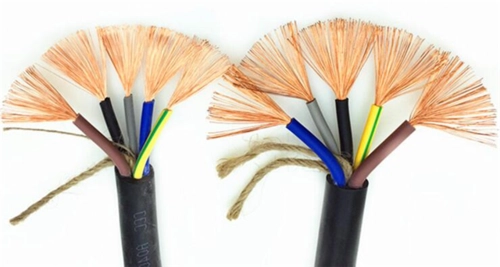
Fire-resistant cables
Fire-resistant cable is a special cable that can keep wire and cable operating properly in high temperature and fire environments. This type of cable usually uses special insulation and sheathing materials to ensure that...
Copper & Aluminum Wire
Fire-resistant cable is a special cable that can keep wire and cable operating properly in high temperature and fire environments. This type of cable usually uses special insulation and sheathing materials to ensure that...
A transformer station is a place in a power system that transforms voltage and current, receives electrical energy and distributes electrical energy.
Electricity transmission is the process of transporting electricity generated by a power plant from the generating station to the consumer’s location.
With the large-scale access of new energy sources to the grid, the power system is also facing multiple challenges such as power balance, system security and stability, and efficient utilization of new energy sources. Energy storage, with its flexible regulation capability, supports the large-scale grid connection of photovoltaic wind power and is considered a necessary component of the new power system.
Wires used in high-temperature environments need to have high-temperature resistance, so high-temperature resistant wires are generally used.
Fiber optic cable is a cable used to transmit optical signals, consisting of one or more optical fibers and external protective material, and is mainly used in areas such as communications and data transmission.
Transformer coils are the windings or coils in a transformer. They play a vital role in the conversion of electrical energy from one voltage level to another. Transformers are basic devices used to effectively...
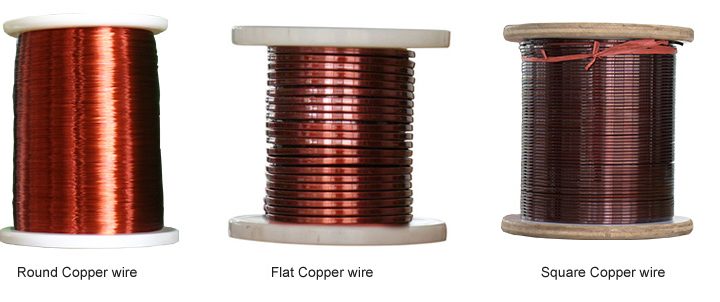
Polyesterimide enameled wire, also known as PEI enameled wire, is an enameled wire with an insulation layer made of polyesterimide.
Magnetically insulated winding wire for a wide variety of electrical devices that require the generation of electric and/or magnetic fields to perform electromechanical work. Examples of such equipment include electric motors, generators, transformers, actuator coils
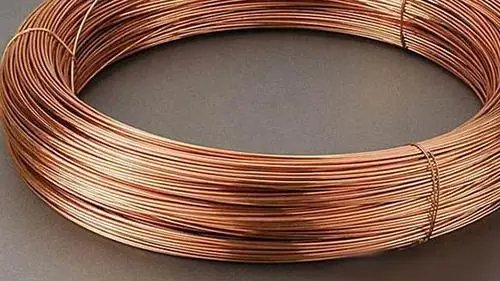
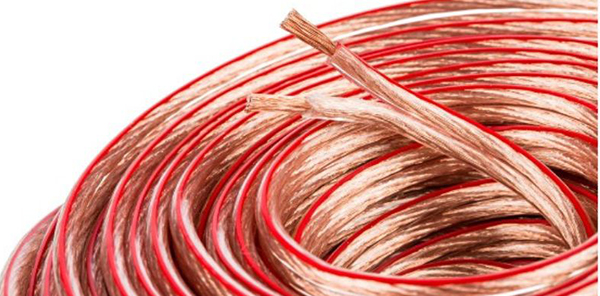
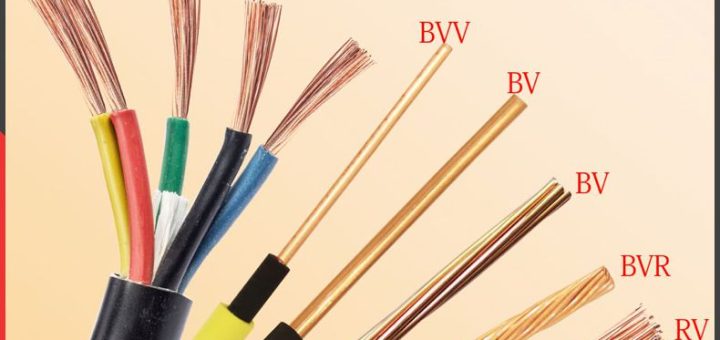
Soft wire corrosion resistance is weaker, hard wire corrosion resistance is stronger; this is because the soft wire is a combination of multiple strands of fine copper wire, the total surface area of these copper wires must be much larger than a single strand of hard copper wire, and the larger the surface area, in contact with corrosive media, the rate of decay reaction is bound to be greater.
更多
brushless motor cable wire Cooling System Copper Conductor copper wire Current Flow Dry-type transformer Electrical Conductor Electrical Insulation Electrical Wire electric motor Electric motors Enameled Copper Round Wire enameled wire Fiberglass Insulation Flat wire motor Foil Winding Frequency converter Heat Dissipation Insulating Coating Insulating Materials Insulation impedance Insulation Layers Insulation Material Insulation Materials Insulation thickness Magnet Wire Motor overload motor winding Multi-Layer Insulation Power Exhibition Power Transformer Slot Shape Temperature Measurement Temperature Sensor Transformer Efficiency Transformer enameled wire Transformers Transformer Winding transformer windings Variable Frequency Drive Winding Design Winding Wire Wire Diameter Wire Insulation