How to Determine Optimum Insulation Thickness in High-Power Applications
Determining the optimum thickness of insulation for high power applications requires detailed design and evaluation. Here are some common steps and considerations:
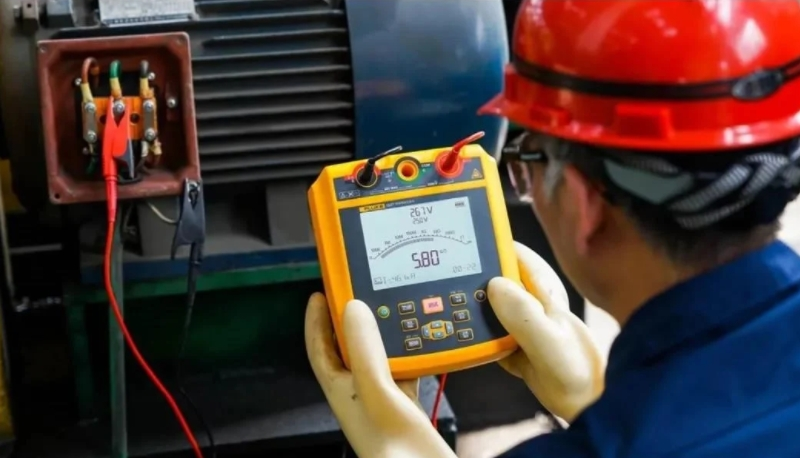
- Determine electrical insulation requirements: First, determine the required electrical insulation capability based on the voltage and current requirements of the application. This can be determined by referring to relevant electrical standards, codes or application requirements. For example, determine the required insulation resistance, insulation strength rating, or breakdown voltage.
- Selection of insulating material: Select the appropriate insulating material based on the electrical insulation requirements. Consider the material’s electrical insulation properties, thermal stability, chemical resistance, and other characteristics. Suppliers often provide technical data and recommendations on insulation materials that can be used to evaluate the selection of insulation thickness.
- Perform a thermal analysis: In high power applications, heat is an important consideration. Perform a thermal analysis to evaluate the heat generation and dissipation of the wire under high power conditions. Factors such as wire size, current loading, and ambient temperature are considered to determine heat generation and heat dissipation requirements.
- Thermal Design: Based on the results of the thermal analysis, perform thermal design. Consider factors such as heat conduction paths, heat dissipation surface area, and heat dissipation media. A thinner insulation layer can improve heat dissipation performance, but it is necessary to ensure that electrical insulation requirements are met.
- Insulation Thickness Calculation: Calculate the thickness of the insulation layer by combining the electrical insulation requirements with the results of the thermal analysis. This calculation may involve the use of data on the electrical insulation properties of the insulating material, thermal conductivity and heat dissipation modeling. Specific calculations may vary depending on the application and material.
- Optimization and validation: The calculated insulation thickness is optimized and validated. The electrical insulation and thermal properties of the insulation layer are verified using simulation tools, experiments or tests in real applications. Necessary adjustments and optimizations are made based on the validation results.
During the design process, factors such as electrical insulation requirements, thermal analysis, heat dissipation design and practical verification need to be considered. In addition, cooperation and discussion with electrical engineers, material suppliers or other professionals can lead to more specific and practical guidance.


