How Insulation Thickness Affects Thermal Performance in Lines
Insulation thickness has an effect on the thermal performance of the line. The following are details of several aspects of the effect of insulation thickness on the thermal performance of the line:
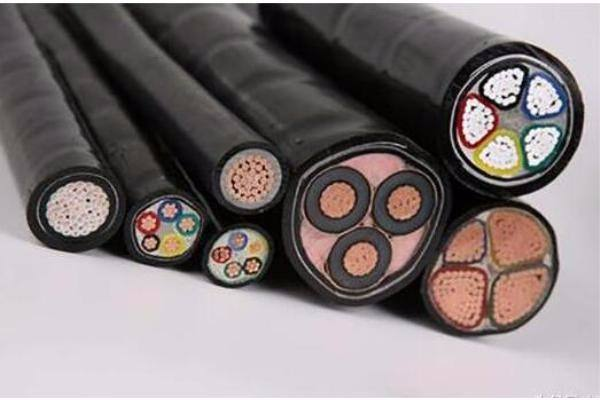
- Increased thermal resistance: a thicker insulation layer increases the thermal resistance of the line. Thermal resistance is the resistance of heat conduction through a medium. As heat is conducted through the insulation to the surroundings, thicker insulation creates greater thermal resistance, resulting in slower heat transfer. This can lead to higher temperatures in the line and affect the thermal performance.
- Reduced Thermal Surface Area: Thicker insulation reduces the effective thermal surface area of the line. Surface area for heat dissipation is the surface area over which heat is exchanged with the surrounding environment. Thicker insulation reduces the available surface area, limiting the contact between the heat and air or other heat dissipation media, thereby reducing the efficiency of heat dissipation.
- Reduced thermal conductivity: Insulation materials typically have low thermal conductivity properties. Thicker insulation increases the length of the heat transfer path, which reduces the rate at which heat is conducted through the line. This may cause heat to build up within the line and affect the line’s ability to dissipate heat.
- Thermal properties of insulation materials: Different insulation materials have different thermal performance characteristics. When selecting insulating materials, their thermal stability and high temperature resistance need to be considered. Some insulating materials may soften or melt under high temperature conditions, resulting in failure or deformation of the insulating layer, thus affecting the thermal performance of the line.
Therefore, the effect of insulation thickness on thermal performance needs to be considered when designing circuits for high power applications. Thinner insulation can provide better thermal performance, but it needs to be ensured that electrical insulation requirements are met. Factors such as thermal surface area, thermal conduction paths, thermal properties of the heat sink medium and insulation materials also need to be considered in the thermal design to optimize the thermal performance of the line.