Choosing Cooling Systems for Transformers in Hot Environments
In high temperature environments, selecting the appropriate heat sink and cooling system is critical to maintaining temperature stability in high power transformers. The following are some common options for heat dissipation and cooling systems for high temperature environments and are provided in more detail:
- Forced Oil Cooling (OF): Forced oil cooling systems are a common option, especially for high power transformers. This system introduces cooling oil into the transformer via a circulating pump and transfers the heat to the surroundings via a cooler. Cooling oil has a high thermal conductivity and heat capacity, and can effectively absorb and transfer heat, thus keeping the temperature of the transformer stable. In a high temperature environment, the following optimization measures can be used:
- Use cooling oil for high-temperature operation with higher heat resistance.
- Increase the cooling area of the cooler to improve heat dissipation efficiency.
- Use efficient pumps and cooling system controls to ensure oil circulation and heat dissipation.
- Forced water cooling system (OW): Forced water cooling system is also a viable option in high temperature environments. This system uses water as the cooling medium and dissipates heat to the surrounding environment through cooling towers or other cooling equipment. In high temperature environments, the following optimization measures can be considered:
- Use cooling water that is resistant to high temperatures to ensure water performance and stability.
- Use efficient cooling towers and cooling equipment to increase the surface area for heat dissipation and improve heat dissipation efficiency.
- Use of recirculating water systems to minimize water wastage and replenishment frequency.
- Liquid cooling systems: Liquid cooling systems use other cooling media (e.g., coolant) as the cooling medium to dissipate heat. Certain coolants have high thermal conductivity and resistance to high temperatures, making them suitable for heat dissipation needs in high-temperature environments. In high temperature environments, the following optimization measures can be considered:
- Select coolants with high thermal conductivity and thermal stability.
- Adopt high-efficiency coolers and pumps to improve heat dissipation efficiency and circulation capacity.
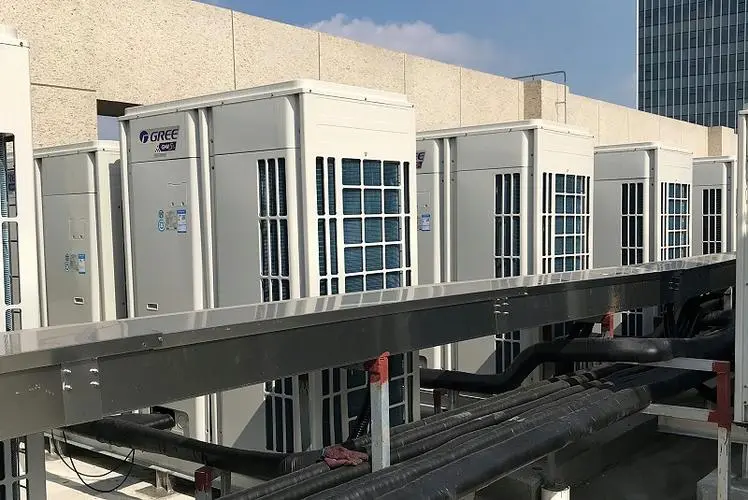
- High-speed fan cooling system: High-speed fan cooling system utilizes strong wind power to carry heat away, which is suitable for heat dissipation needs in high temperature environments. By using a high-speed rotating fan, it enhances air flow and provides higher heat dissipation. In high temperature environments, the following optimization measures can be considered:
- Use fans that operate at high temperatures and have high heat resistance.
- Increase the number of fans to increase airflow and heat dissipation.
- Optimize the air duct design to ensure effective air circulation and heat transfer.
When selecting a heat dissipation and cooling system suitable for high-temperature environments, in addition to considering the performance and characteristics of the options themselves, the following factors also need to be considered comprehensively:
- Transformer power requirements: Select the appropriate heat dissipation and cooling system according to the power requirements of the transformer. The heat dissipation capacity and cooling efficiency of different systems may vary, so you need to ensure that the selected system can meet the transformer’s power requirements.
- Ambient Temperature: In high temperature environments, where the surrounding temperature is high, the heat sink and cooling system needs to have higher performance to effectively reduce the temperature of the transformer. The system should be able to operate stably at high ambient temperatures and have sufficient heat dissipation capacity. 3.
- Reliability: the heat dissipation and cooling system in the high temperature environment needs to have good reliability. The system should be able to operate stably for a long time, resist the impact of high temperature environment on its performance, and reduce the failure and maintenance needs.
- Economy: When selecting a heat dissipation and cooling system, its economy needs to be considered. The cost, energy consumption and maintenance of the system should be within an acceptable range and weighed against its performance and benefits.
- Maintenance requirements: Different heat sinks and cooling systems may have different maintenance requirements. Consider the maintenance intervals, maintenance effort, and maintenance costs of the system to ensure that adequate maintenance support can be provided to maintain system stability and reliability.
When selecting a heat sink and cooling system suitable for high temperature environments, it is best to consult a professional electrical engineer or transformer manufacturer who can provide more detailed and customized recommendations based on specific needs and conditions.