High-Power Transformer Cooling Systems: Temperature Stability Guide
To ensure that the temperature of heat dissipation and cooling system of high power transformer is stable, the following measures can be taken:
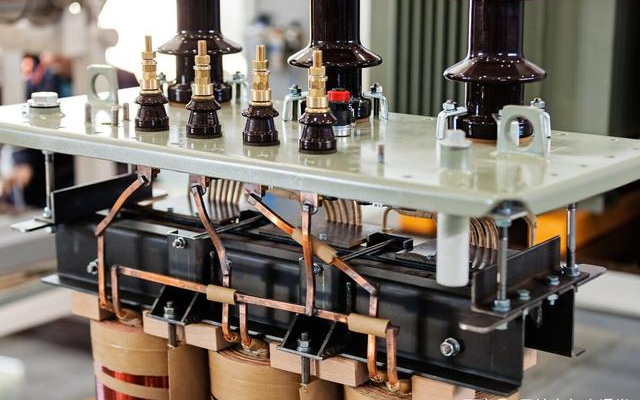
- choose suitable heat dissipation and cooling system: according to the power demand of transformer and working environment conditions, choose suitable heat dissipation and cooling system. Ensure that the system has sufficient heat dissipation capacity and cooling efficiency, and can effectively dissipate heat into the surrounding environment.
- Design reasonable heat dissipation system layout: ensure that the cooling medium (such as cooling oil, cooling water, etc.) can fully contact the parts that need to dissipate heat. Reasonable arrangement of radiators, cooling pipes and coolers to maximize the surface area of heat dissipation and heat transfer efficiency.
- Control the flow and temperature of the cooling medium: Monitoring and controlling the flow and temperature of the cooling medium is the key to maintaining a stable temperature in the heat dissipation and cooling system. Ensure that the cooling medium at the appropriate flow rate through the radiator and cooling equipment, and to maintain the temperature of the cooling medium within a reasonable range.
- Regular cleaning and maintenance of the heat dissipation system: Clean radiators and coolers regularly to prevent dust, dirt and other impurities from clogging the heat dissipation surfaces and affecting the heat dissipation effect. Regularly check and maintain pumps, valves and other cooling system components to ensure their proper operation.
- Install temperature sensors and monitoring systems: Install temperature sensors at key locations and equip them with corresponding monitoring systems to monitor the temperature of the heat dissipation and cooling system in real time. Timely detection of abnormal or excessive temperatures, and take appropriate measures to adjust and repair.
- Optimize the working environment conditions: create a good working environment around the transformer, ensure smooth air circulation, avoid heat accumulation and local temperature is too high. Reasonable arrangement of transformer layout and ventilation facilities to maximize the heat dissipation and cooling effect.
- Consider auxiliary heat dissipation equipment: Where required, consider installing auxiliary heat dissipation equipment, such as fans, air ducts, etc., to increase the heat dissipation effect. These devices can provide additional cooling support when the system temperature is too high.
- Regular inspection and maintenance of the transformer: Regular inspection and maintenance work on the transformer ensures proper operation of its internal components and cooling system. Check the quality and flow rate of the cooling medium and clean up deposits and impurities inside the transformer to ensure efficient operation of the system.
In short, ensuring that the heat dissipation and cooling system temperature stability of high-power transformers requires comprehensive consideration of system design, flow control, maintenance and other factors. Reasonable layout and control, regular maintenance and monitoring, as well as auxiliary cooling equipment when necessary, can effectively maintain the stability of the system temperature.


