How to Select Insulation Thickness and Materials for Multi-Layer Systems
Determining the proper insulation thickness and material combination requires a combination of several factors, as well as experimental and simulation analysis. Below is a detailed step-by-step guide:
- Determine thermal conductivity and thermal resistance requirements: First, determine the required thermal conductivity and thermal resistance properties. This may involve determining the range of thermal conductivity and thermal resistance values required. Materials with higher thermal conductivity promote heat transfer, while materials with lower thermal conductivity increase thermal resistance. The balance between thermal conductivity and thermal resistance is weighed against the requirements of the specific application.
- Insulation Requirements: Consider the insulation properties required. This includes requirements for resistance to voltage, arcing, and electric shock. Materials with appropriate insulating properties are selected based on the needs of the application. The insulating properties of an insulating material are usually measured by its dielectric strength and insulation impedance. 3.
- research available insulating materials: learn about available insulating materials. Study the properties of different materials such as thermal conductivity, dielectric strength, insulation impedance and reliability. Common insulating materials include ceramics, polymers, fiberglass, and graphene. Take care to consider material availability and cost.
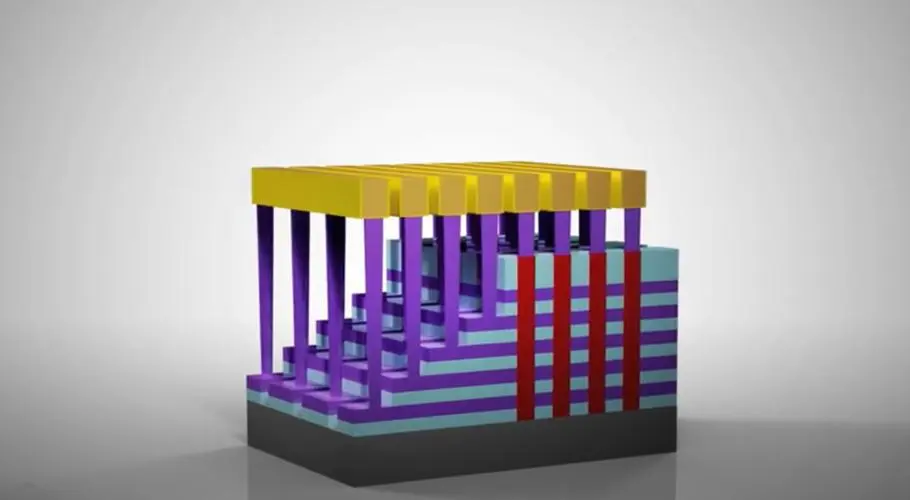
- Physical space and size constraints: Consider the physical space and size constraints of the device and the number of layers of the multilayer insulating structure. Determine the maximum thickness of each insulating layer based on the given space constraints. Ensure that the total thickness of the insulating layers does not exceed acceptable limits.
- Experimental and Simulation Analysis: Experimental and simulation analyses are performed to evaluate the performance of different insulation layer thicknesses and material combinations. In the laboratory, thermal conductivity of different materials can be evaluated using thermal conduction test equipment. At the same time, high voltage test equipment is used to evaluate the insulating properties of the insulating materials. Thermal simulation software can also be used to perform simulation analysis to assess the effect of different insulation layer thicknesses and material combinations on thermal conductivity and insulation performance.
- Optimized design: Based on the results of experimental and simulation analysis, the design of multi-layer insulation structures is optimized. The thickness of the insulation layers and material combinations are adjusted to meet the thermal conduction and insulation performance requirements. This may require several iterations and adjustments to find the best solution.
It is important to note that determining the appropriate insulation layer thickness and material combination is a complex process that requires multiple factors to be considered, weighed and optimized for the needs of the specific application. Therefore, it is recommended that the design process be conducted in collaboration with professionals in the fields of materials science, thermal and electrical engineering to obtain more accurate and reliable results.