Cylindrical Winding: Design Features and Electrical Applications
Cylindrical windings are a common coil structure in electromagnetic devices that have a cylindrical shape.
Structure: Cylindrical windings are made of insulated wires or coils wound in the shape of an encircling cylinder. The winding is usually made of multiple layers, each layer being separated from the other by an insulating material. The insulating material can be solid insulation, insulating paper or insulating varnish.
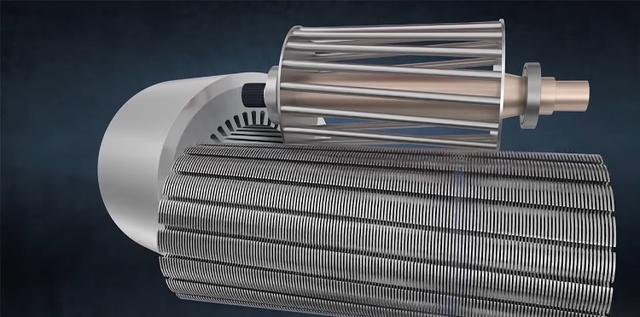
Uses: Cylindrical windings are widely used in a variety of electromagnetic devices, such as motors, generators, transformers, inductors and so on. They are used to generate magnetic field, transfer electrical energy, realize electromagnetic energy conversion or provide electromagnetic induction.
Advantages: Cylindrical windings have a high coil filling factor, i.e., they can accommodate more layers of coils in a limited space, which improves the power density and electromagnetic performance of the windings. In addition, cylindrical windings are compact and have better mechanical strength and stability.
Design considerations: When designing a cylindrical winding, parameters such as the current carrying capacity of the conductor material, the voltage withstand capacity of the insulation material, the resistance and inductance of the winding need to be considered. In addition, factors such as thermal coupling, electromagnetic shielding, vibration and shock of the windings need to be considered according to specific application requirements.
Manufacturing and installation: Manufacturing cylindrical windings usually requires specialized techniques and equipment. The winding process needs to ensure the tightness of the winding and the turn-to-turn voltage resistance to ensure the quality and performance of the winding. Installation of the windings requires consideration of protection and fixation of insulation materials, as well as connection and assembly with other components.
When selecting and designing cylindrical windings, comprehensive consideration needs to be made according to specific application needs and performance requirements. The manufacturing and installation process needs to follow the relevant standards and norms to ensure the quality and reliability of the windings.