National Electrical Code: Purpose, Scope and Electrical Safety
The National Electrical Code (NEC) is a set of electrical standards and codes that provide guidelines for the safe installation and use of electrical systems in the U.S. The NEC is published by the National Fire Protection Association (NFPA) and is updated regularly to incorporate the latest advances in technology and safety practices. The following are some key points about the NEC:
Purpose: The primary goal of the NEC is to protect people and property from electrical hazards by establishing minimum requirements for the design, installation, and maintenance of electrical systems.
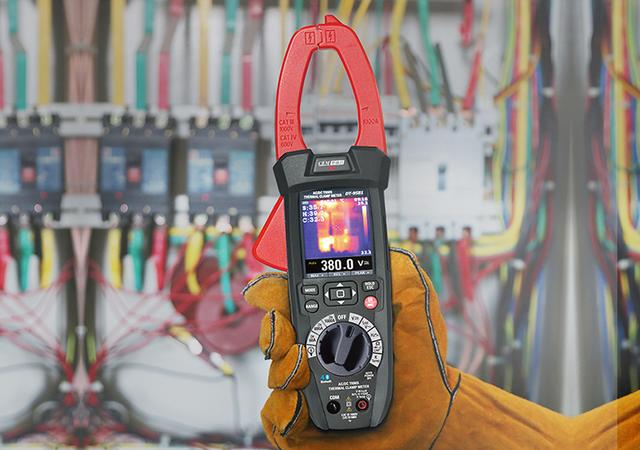
Scope: The NEC covers all aspects of electrical systems, including wiring methods, grounding and bonding, overcurrent protection, equipment installation, electrical calculations, and safety precautions.
Adoption: The NEC is not a federal law, but is widely adopted by states, cities and local jurisdictions as the basis for their electrical codes. Each jurisdiction may adopt the NEC in its entirety or modify it to meet specific regional requirements. Be sure to refer to the specific version of the NEC adopted by the local agency having jurisdiction (AHJ).
Code Organization: The NEC is divided into chapters and articles that cover specific topics related to electrical installations. Each article covers a specific topic, such as general requirements, conductors, wiring methods, equipment, special applications, etc.
Updates and Editions: The NEC is regularly updated and revised to reflect changes in technology, safety practices, and industry standards. Updates are typically released on a three-year cycle, with each new edition containing revisions and new requirements. Be sure to know the latest version of the NEC to ensure compliance with the latest standards.
Code Enforcement: The NEC is enforced by electrical inspectors, jurisdictions, and regulatory agencies responsible for reviewing and approving electrical installations. Obtaining permits, conducting inspections and ensuring the safety of electrical systems often requires compliance with the NEC.
Industry Influence: The NEC is developed through a consensus process involving input from a wide range of stakeholders, including electrical professionals, manufacturers, testing laboratories, and regulatory agencies. This collaborative approach helps ensure that the NEC reflects the industry’s best practices and expertise.
It is important to note that the NEC is specific to the United States and that other countries may have their own electrical codes and standards. When performing an electrical installation or retrofit, it is critical to consult with your local jurisdiction and comply with the electrical codes and regulations that apply in your particular jurisdiction.