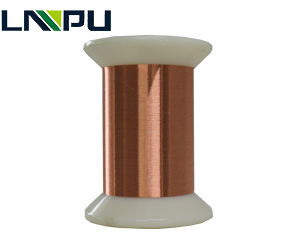
19 AWG Winding Wire: Size, Properties and Applications
19AWG is a common wire gauge used for winding wire. Here are details about 19AWG winding wire:
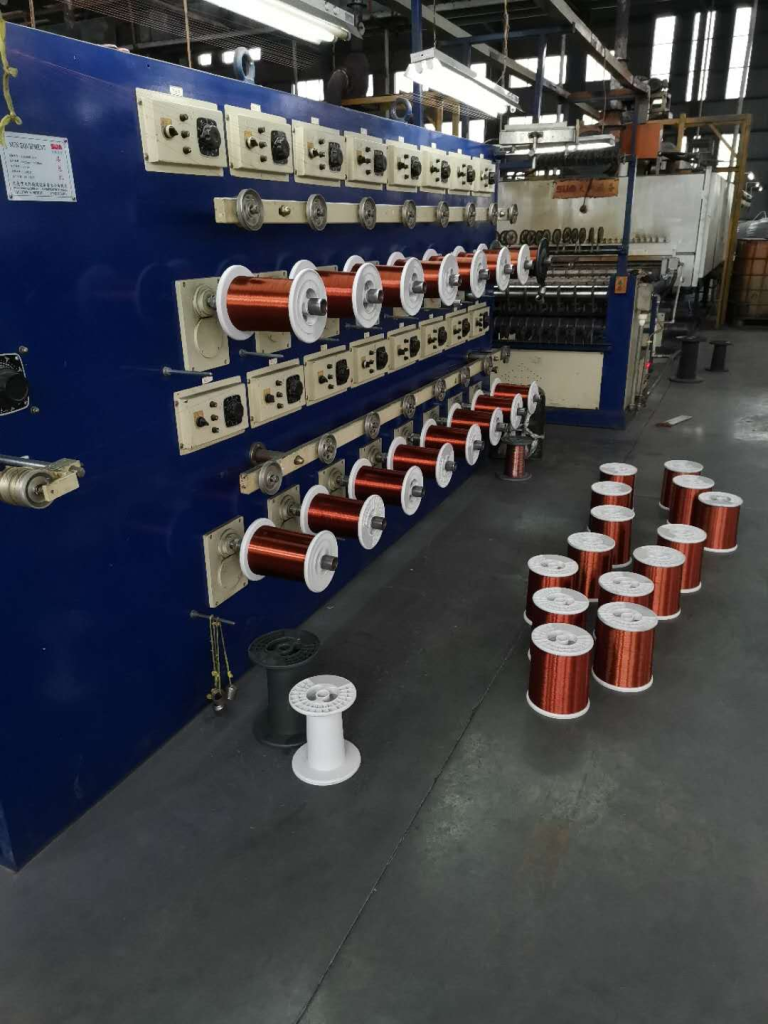
- Conductor cross-sectional area: 19AWG winding wire has a conductor cross-sectional area of 0.92 square millimeters or 0.0366 square inches. This cross-sectional area can be used to determine the current carrying capacity and conductivity of the cable.
- Material: The conductor of 19AWG winding wire is usually made of copper. Copper has good electrical conductivity and corrosion resistance and is one of the commonly used conductor materials. High purity electrolytic copper (electrically pure copper) is often used for applications requiring high conductivity.
- Insulation: The conductor surface of 19 AWG winding wire is covered with an insulating layer, usually an organic insulating varnish, to provide electrical insulation and mechanical protection. Common insulating varnish materials include polyurethane, phenolic, cellulose acetate, etc. The specific choice depends on the application requirements.
- Temperature Rating: Insulation materials for 19AWG winding wire usually have specific temperature ratings. Common temperature ratings include Class B (130°C), Class F (155°C), Class H (180°C), and others. The temperature class determines the heat resistance of the winding wire and the temperature range in which it can be used.
- Application Areas: 19AWG winding wire is widely used in winding applications such as motors, transformers, relays, coils and solenoid valves. They are typically used to transmit electrical energy or signals and play an important role in a variety of industrial, commercial and domestic environments.
It is important to note that specific 19AWG winding wire specifications may vary depending on the manufacturer and application. Therefore, when selecting and using 19AWG winding wire, it is recommended to refer to the relevant product specification sheets and standards to ensure compliance with the requirements of the specific application.