Cables with Good Conductivity: Key Materials and Selection Factors
When choosing a cable with good electrical conductivity, the following factors are to be considered:
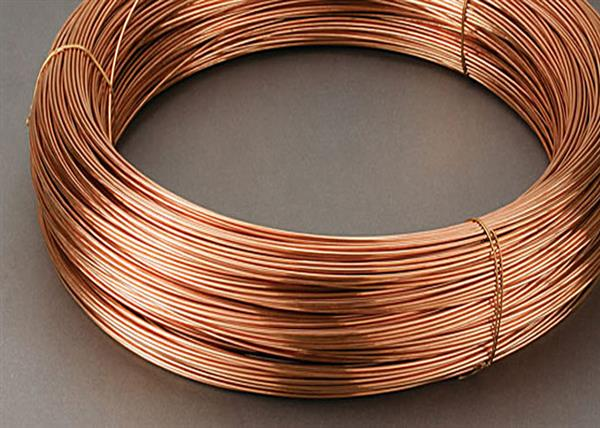
- Material selection: the conductor material of the cable plays an important role in the conductivity. Copper is one of the most commonly used conductor materials and has excellent conductivity. High purity electrolytic copper has better conductivity, commonly used in cables requiring high conductivity. Silver is also a very good conductive material, but due to the high cost, generally used in specific demanding applications.
- Conductor cross-sectional area: the larger the cross-sectional area of the conductor, the smaller the resistance of the current through the cable, the better the conductivity. Therefore, in specific applications, it is necessary to select the appropriate conductor cross-section area according to the required current load. In general, the use of larger cross-sectional area of the conductor can provide lower resistance and better conductivity.
- Conductor Construction: The conductor construction of a cable also affects the conductivity. Stranded or braided conductor structure can reduce the resistance of the current through the conductor, and provide better conductive properties. This construction reduces the concentration of current in certain areas of the conductor, which reduces resistance and energy loss.
- Insulation: Although insulation does not directly affect conductivity, it is critical to the electrical performance and safety of the cable. Quality insulation materials should have good insulation properties to avoid current leakage or short circuit. Insulation materials should also have a low dielectric loss to reduce energy loss.
- Installation and environmental conditions: The way the cable is installed and the environmental conditions can also have an impact on conductivity. Proper installation and maintenance ensures good contact between conductors and splices to minimize resistance. Environmental conditions, such as temperature, humidity, and chemical exposure, can negatively affect conductivity, so it is necessary to select cables that are adapted to the specific environment.
Overall, selecting cables with good electrical conductivity requires consideration of conductor material, conductor cross-sectional area, conductor construction, insulation, and installation and environmental conditions. Depending on the requirements and criteria of the specific application, selecting the right cable will ensure good conductivity and electrical safety.


