Alloy Wire: Composition, Properties and Applications
Alloy wire is a wire composed of two or more metal alloys. The conductor material of alloy wire usually consists of a mixture of two or more metal elements in a certain proportion, and its chemical composition and properties depend on the types and proportions of the metal elements.
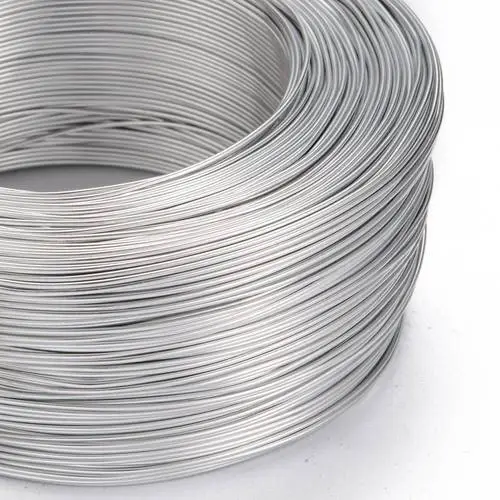
Alloy wires can be categorized according to different properties and characteristics as follows:
1. Alloy resistance wire: Alloy resistance wire is a kind of wire whose resistance value is adjusted by alloy material. Commonly used alloy resistance wires include nickel-chromium alloy resistance wires, chrome-aluminum alloy resistance wires, copper-nickel alloy resistance wires and so on.
2. Alloy heating wire: alloy heating wire is a kind of conductor through the current through the conductor to produce heat. Commonly used alloy heating wire is chrome-aluminum alloy heating wire, iron-chromium-aluminum alloy heating wire, aluminum-nickel-iron alloy heating wire and so on.
3. alloy varistor wire: alloy varistor wire is a kind of alloy material through the temperature change to change the resistance value of the wire. Commonly used alloy varistor wires are copper-manganese alloy varistor wire, copper-nickel alloy varistor wire, aluminum-nickel-iron alloy varistor wire and so on.
4. Alloy electrode wire: alloy electrode wire is a kind of wire used as anode or cathode in electrochemical reaction. Commonly used alloy electrode wire has platinum-iridium alloy electrode wire, aluminum-manganese alloy electrode wire, copper-zinc alloy electrode wire and so on.
Alloy wire has better electrical and mechanical properties than a single metal wire, which can improve the electrical conductivity, mechanical strength and wear resistance to a certain extent, and extend the service life of the wire. Alloy wire is widely used in electronics, communications, electric power, automotive and other fields, for modern industrial production and scientific and technological development has made an important contribution.