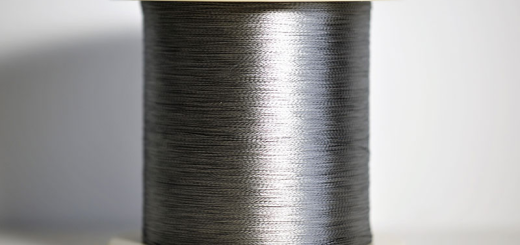
Aluminum Foil Transformer: Construction and Performance
Aluminum foil transformers are transformers that use aluminum foil as the conductor material. Compared with the traditional transformer with copper conductor, Aluminum Foil Transformer is lighter, more economical and more efficient. The following are the details about aluminum foil transformer:
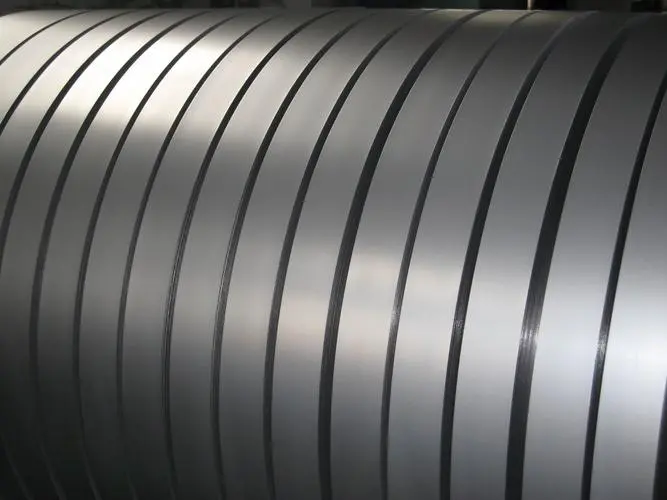
- Conductor material: the main conductor material of aluminum foil transformer is aluminum foil, which usually adopts high-purity electrolytic aluminum foil. Aluminum foil has good electrical and thermal conductivity, which can effectively conduct current and dissipate heat.
- Structural design: Aluminum foil transformers use parallel layers of aluminum foil as conductors, which are separated by insulating materials. There is an insulating layer between each layer of aluminum foil to prevent short circuits and electrical faults. The winding of aluminum foil transformer can be low voltage winding or high voltage winding, the specific structural design depends on the power and application requirements of the transformer.
- Advantages and features:
- Lightweight and economical: Aluminum foil is lighter than copper conductors, which reduces the overall weight of the transformer and lowers transportation and installation costs.
- High efficiency: although the conductivity of aluminum foil is slightly lower than that of copper, due to the parallel layered design of aluminum foil transformer, the cross-sectional area of the conductor is relatively large, which can reduce the current density and resistance loss, and improve the efficiency of the transformer.
- Good heat dissipation performance: Aluminum foil has good thermal conductivity, can be faster to the heat generated by the transformer to emit, improve the heat dissipation effect of the transformer.
- High plasticity and processability: Aluminum foil is easy to be processed into various shapes and sizes to meet different transformer design requirements.
- Good corrosion resistance: Aluminum foil has good corrosion resistance, which can resist some environmental chemicals and moisture corrosion, and extend the service life of the transformer.
- Cautions and challenges:
- Aluminum foil has relatively poor electrical conductivity and requires an increase in conductor cross-sectional area to meet current requirements, so the transformer size may be relatively large.
- Aluminum foil transformers need to be designed and manufactured with the reliability and stability of the conductor connections in mind to ensure that the electrical connections do not loosen or generate high contact resistance.
- The insulation design and selection of insulation materials for aluminum foil transformers need to be carefully considered to ensure that the insulation performance meets the requirements.
- Manufacturing processes and equipment for aluminum foil transformers may need to be appropriately adapted and optimized to suit the special characteristics of aluminum foil.
- Scope of application: Aluminum foil transformers are widely used in low-power and small to medium-sized transformers, such as household transformers, electronic equipment transformers, lighting transformers and so on. As aluminum foil transformers are lightweight, economical and efficient, they have a big advantage for some weight and cost-sensitive applications.
It is important to note that there are some limitations and considerations associated with aluminum foil transformers versus traditional copper conductor transformers. Due to the relatively poor conductivity of aluminum foil, parameters such as conductor size, current density and resistance loss need to be more carefully calculated and evaluated when designing an aluminum foil transformer to ensure that it meets the requirements for current transfer and power conversion.
In addition, aluminum foil transformers require consideration of the reliability and stability of the conductor connections. The connection of aluminum foil usually requires the use of specialized connectors or soldering techniques to ensure a good electrical connection and to reduce contact resistance. In addition, due to the potential difference between the aluminum foil and the copper conductor, care needs to be taken to prevent the occurrence of electrochemical reactions and electrolytic corrosion.
In summary, aluminum foil transformers have advantages in some specific application scenarios, but special requirements for conductor sizes and connections need to be considered during the design and manufacturing process, as well as to ensure insulation performance and reliability.