Foil Windings in Transformers: Construction and Performance Benefits
Foil windings in transformers are a special winding structure used to realize the functions of power transmission and voltage and current conversion. Foil windings have some unique features and advantages over conventional coil windings.
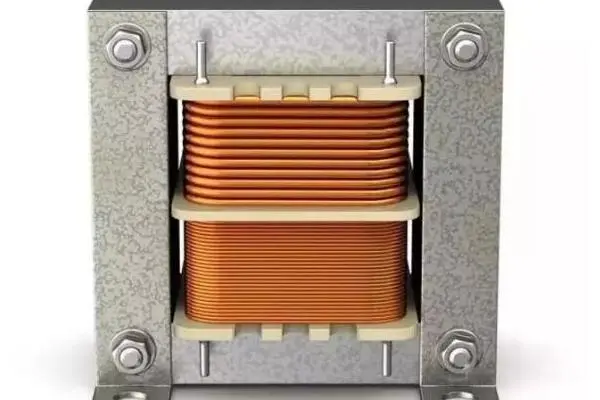
The characteristics of foil winding are as follows:
- Construction: Foil windings consist of a series of metal foils arranged in parallel, which are
- usually made of electrically conductive materials (e.g. copper or aluminum) separated by insulating materials. The width of the foils can be adjusted as necessary to meet specific current and voltage requirements.
- High conductivity: Foil windings are made of metal foils with a larger cross-sectional area and a shorter current path, thus providing lower resistance and higher conductivity. This helps to reduce resistive losses and heat generation, increasing the efficiency of the transformer.
- Heat dissipation: The metal foil in the foil windings provides better heat dissipation and allows faster heat transfer to the surroundings. This helps keep the temperature of the windings stable and improves the transformer’s load capacity and long-term reliability.
- High space utilization: Due to the parallel arrangement of foils in the foil winding, it is more efficient in terms of space utilization than conventional coil windings. Foil windings can be installed more compactly inside the transformer core, reducing the size and weight of the transformer.
- Insulation: Insulation is required between each foil in a foil winding to prevent electrical short circuits. Insulation is usually layered using insulating paper, insulating tape or other insulating materials to ensure safe isolation between the foils.
Foil windings are widely used in high power transformers and converters. Due to their high electrical conductivity, good heat dissipation properties and compact construction, foil windings are able to handle higher currents and powers while reducing transformer size and heat losses. This makes foil windings one of the common winding structures in modern power systems.


