Glass-Insulated Wire: Properties, Construction and Uses
Glass insulated electric wire is a wire and cable product that uses glass fiber as an insulating material to coat the conductor and is used in electrical transmission and distribution systems. The following are details about glass insulated electric wire:
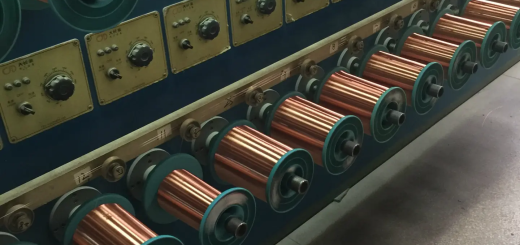
- Conductor: The conductor of glass insulated wire is usually made of copper or aluminum, consisting of multiple strands of fine or solid wire. Copper conductor has good electrical conductivity and mechanical strength, widely used in various electrical systems. Aluminum conductors are used in some specific applications, such as transmission lines.
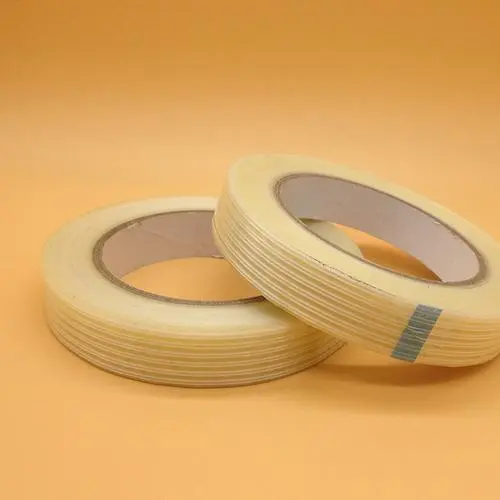
- Insulation: Glass-insulated wire insulation uses glass fibers as the insulating material, usually by braiding or wrapping glass fiber yarns around the conductor to form an insulating layer. Fiberglass insulation has excellent insulating properties, high temperature resistance and chemical resistance, which can effectively isolate the current and prevent electric shock accidents.
- Sheath: In order to protect the insulation and wire, glass insulated wires usually have an outer sheath. The outer jacket can be made of a variety of materials such as polyvinyl chloride (PVC), polyethylene (PE), or PVC-Nylon composites. The outer jacket provides additional mechanical protection and corrosion resistance to make the wire more durable.
- Voltage and Temperature Ratings: Glass insulated wire is typically rated at 600V or higher, depending on the application requirements. Temperature ratings depend on the temperature resistance of the conductor and insulation materials, and are generally available in common temperature ratings such as 60°C, 75°C, 90°C, 105°C, etc.
- Areas of application: Glass insulated wires are commonly used in applications requiring high insulation and temperature resistance, such as power systems, electrical equipment, motors, transformers, power plants, chemical plants, etc. They can be used in transmission lines, control systems, and power plants. They can be used in power transmission lines, control lines, lighting circuits, heating equipment, etc.
Glass insulated wires may have a higher cost and more complex manufacturing process compared to other insulated wires, so factors such as actual needs, budget and application environment need to be considered when choosing to use them.