Insulation Impedance: Meaning, Measurement and Influencing Factors
Insulation impedance is the degree to which an insulating material impedes the flow of electric current and is used to evaluate the insulating properties of an insulating material. The higher the insulation impedance, the more effective the insulating materi
al is at preventing current from leaking or passing through.
Insulation impedance is the resistance of an insulating material to current at a given frequency. It is a complex number, including real and imaginary parts, representing the resistance and reactance of the insulating material respectively.
Unit of Measurement: The common unit of measurement for insulation impedance is the ohm (Ω). Since insulation impedance is usually a very large value, often use megohm (MΩ) or gigohm (GΩ) as the unit. 3.
Frequency Dependence: The value of insulation impedance usually varies with frequency. Measurement of insulation impedance at different frequencies can obtain information about the insulation properties of insulating materials in different frequency bands.
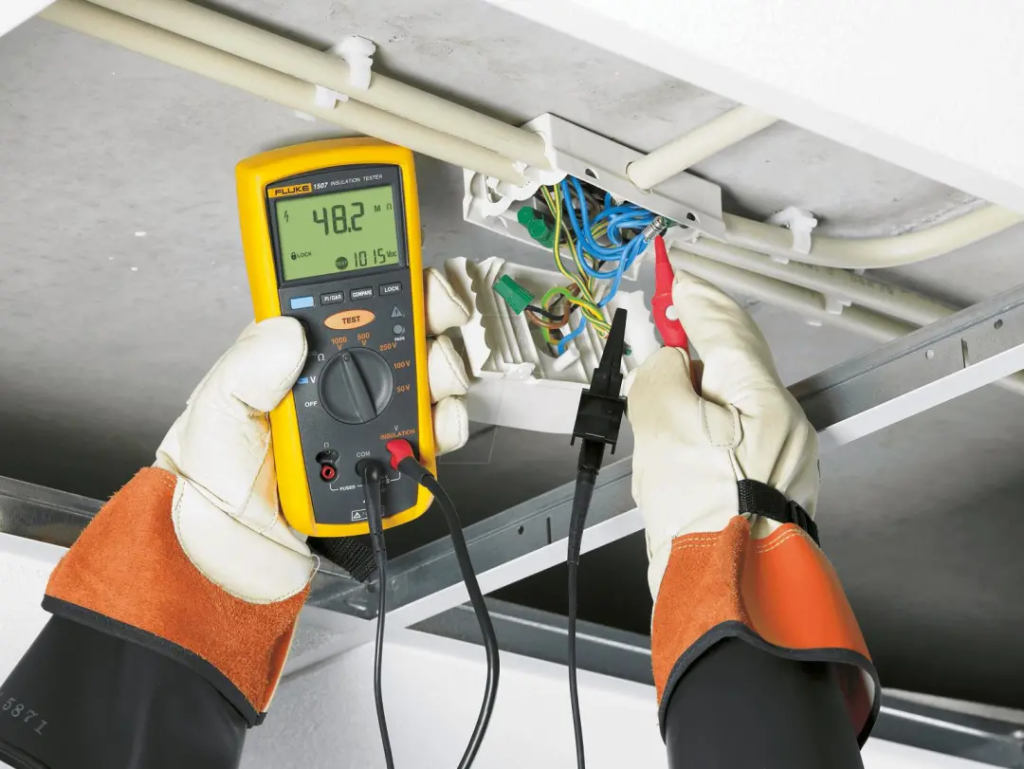
Measurement Methods: A common method of measuring insulation resistance is to use an Insulation Resistance Tester. The instrument applies a high voltage (usually DC or AC) to the insulating material and measures the ratio of current to voltage to calculate the insulation resistance.
Influencing factors: The value of insulation resistance is influenced by a number of factors, including the type and thickness of the insulating material, temperature, humidity, and the degree of contamination. High-quality insulating materials and good insulation structure can provide higher insulation impedance.
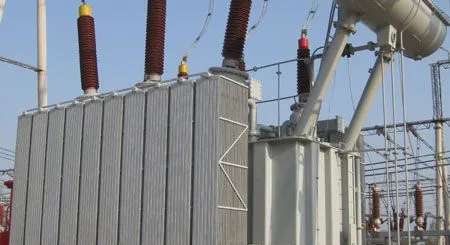
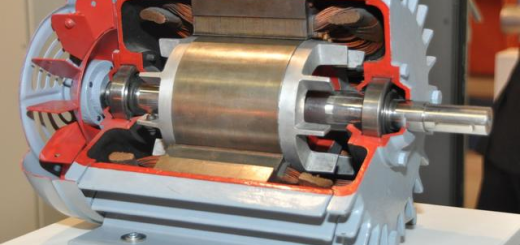
Applications: The evaluation of insulation impedance is very important in electrical engineering. It is used to evaluate the insulation performance of cables, transformers, motors, electronic equipment, etc. to ensure the safe operation of equipment and prevent current leakage.
Insulation impedance is an important indicator of the performance of insulating materials, and a higher insulation impedance provides better insulation. In the design, manufacture and maintenance of electrical equipment, regular testing and monitoring of insulation impedance is one of the most important measures to ensure the stability and safety of the equipment.