Electrolytic Copper Wire Conductivity and Purity
Yes, the conductivity properties of electrolytic copper wire are closely related to its purity. Here are more details:
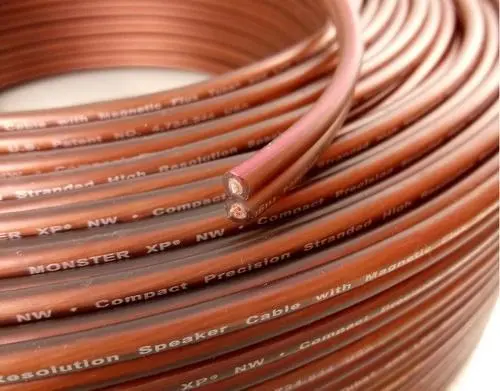
The conductivity performance of copper electrolytic wire is mainly affected by the following factors:
- Purity: The purity of copper electrolytic wire has a direct impact on its conductivity. High purity copper electrolytic wire usually means that the purity is higher than 99.95%, and can even reach 99.99% or higher. The lower content of impurity elements in high-purity copper wire reduces the obstruction of current passage, thus improving the conductivity performance.
- Grain structure: The grain structure of electrolytic copper wire also affects its conductivity performance. During the electrolysis process, copper ions are reduced to pure copper in the electrolyte and gradually deposited to form copper wire. If the electrolysis process is not properly controlled or if there is poor workmanship, it may result in uneven distribution of grains or larger grain sizes, which may affect the conductivity properties. Smaller and more uniform grain structure contributes to the smooth conduction of current.
- Impurity content: In addition to purity, the impurity content of electrolytic copper wire also has an impact on conductivity. Common impurity elements include oxygen, sulfur, iron and nickel. The presence of these impurity elements increases resistance and reduces conductivity properties. Therefore, controlling the impurity content during the electrolysis process is essential to obtain electrolytic copper wire with high conductivity properties.
In conclusion, high purity, uniform grain structure and low impurity content are the key factors in obtaining excellent conductivity performance. In the application field, choosing the right purity and specification of copper electrolytic wires according to the specific needs can ensure its good performance in electrical conductivity.