Common Insulating Materials for High-Frequency Applications
Polytetrafluoroethylene (PTFE): PTFE is a high temperature insulating material with excellent electrical insulating properties. It has low dielectric loss and stable insulating properties in the high frequency range. PTFE also has excellent chemical and temperature resistance and is suitable for high frequency circuits, antennas and microwave applications.
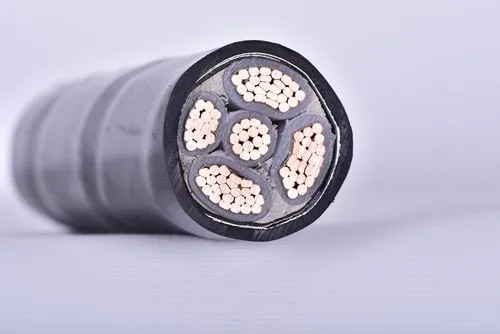
Polyethylene (PE): PE is a commonly used insulating material with low dielectric loss and high dielectric impedance. It is available in different types such as Polyethylene High Density (HDPE) and Polyethylene Low Density (LDPE).PE is widely used in high frequency cables and RF circuits.
Polyvinyl Chloride (PVC): PVC is a common insulating material with good electrical insulation properties and low cost. It performs well in the low to medium frequency range and is used in communication cables, wires and general electronic equipment.
Polystyrene (PS): PS is a common insulating material with low dielectric constant and dielectric loss for high frequency and RF applications. It is widely used in electronic equipment, communication systems and antennas.
Polyimide (PI): PI is a high performance insulating material with excellent high temperature stability and electrical insulation properties. It excels in high-frequency and high-temperature environments and is suitable for high-speed communications, satellite communications and aerospace applications.
Fiberglass Cloth/Epoxy (FR-4): FR-4 is a common substrate material consisting of fiberglass cloth and epoxy resin. It has good insulating properties and mechanical strength and is widely used in high frequency circuit boards and microwave applications.
The insulating materials listed above are suitable for high-frequency applications, and each has its own specific electrical properties and application range. When selecting insulating materials, it is necessary to consider the specific frequency requirements, environmental conditions and application needs, and to ensure that the selected materials can meet the requirements of high-frequency applications.