Type 4 Power Inverter: Function and Application Areas
In electrical engineering and electronics, an inverter is a device that converts direct current (DC) to alternating current (AC). It is an important part of a variety of applications including power generation, renewable energy systems, uninterruptible power supplies (UPS), motor drives, and consumer electronics. Inverters cannot work without the transmission of conductors, and winding wire is one of the main accessories.
The main function of an inverter is to change the direction of the current, allowing DC-powered devices to operate using AC power. This is particularly useful because many devices and machines (e.g., household appliances and industrial equipment) are designed to run on AC power.
Inverters work on the principle of pulse width modulation (PWM) or other switching techniques to control the output voltage and frequency. They typically consist of power electronics such as transistors or insulated gate bipolar transistors (IGBTs) that quickly turn a DC input on and off to create an AC waveform.
What is an AC Inverter?
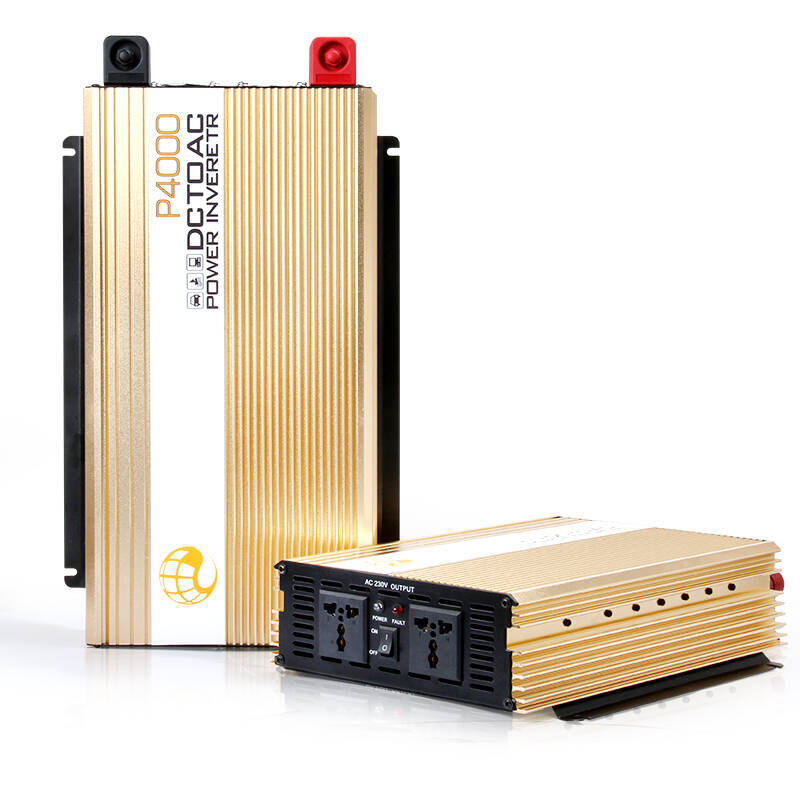
An AC inverter, also known simply as an inverter, is an electronic device that converts direct current (DC) to alternating current (AC). It is widely used to power AC devices and appliances from a DC power source, such as a battery or solar panel. The AC output produced by an inverter allows for the operation of household and industrial equipment that would normally run on AC power.
What is a DC inverter?
A DC inverter, also known as a variable frequency drive (VFD) or variable speed drive (VSD), is an electronic device that converts direct current (DC) to alternating current (AC) with variable frequency and voltage. It is widely used in applications that require precise control of motor speed and energy efficiency, such as motor drives, air conditioning systems and industrial automation.
There are different types of inverters including:
Single-phase inverters: these inverters are used for low-power applications and are typically used in small household equipment.
Three-phase inverters: these are used for industrial applications, motor drives and large power generation systems.
Grid-tie inverters: these are designed to convert DC power from renewable energy sources, such as solar panels, to AC power and synchronize it with the utility grid.
Standalone inverters: Used in off-grid systems to convert DC power from batteries or other sources into AC power for local use.
In summary, inverters are devices that convert direct current (DC) to alternating current (AC) and play a vital role in modern electrical systems, enabling AC power to be utilized efficiently in a variety of applications.