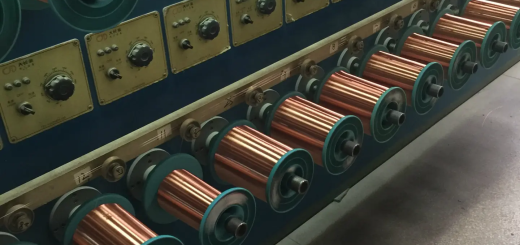
Choosing Winding Materials to Reduce Transformer Power Loss
Choosing the right winding material can help reduce power losses in a transformer. Here are some considerations and common winding material options:
- Electrical conductivity: Selecting a material with a high electrical conductivity can reduce resistance losses. Copper is one of the most commonly used winding materials because of its good conductivity. Aluminum can also be used as an alternative material, but its lower conductivity needs to be considered, and a larger cross-sectional area may be required to achieve the same current transfer capability.
- Magnetic properties: The magnetic properties of the winding material have an effect on the magnetization and leakage losses of the transformer. Generally, materials with low hysteresis and low eddy current losses are considered ideal. For example, silicon steel is a commonly used core material because of its low hysteresis and low eddy current loss properties.
- Temperature rise resistance: The winding material should have good temperature rise resistance to maintain stable conductivity and magnetic properties at high temperatures. At high temperature, the resistance loss and magnetization loss will increase, and if the performance of the material decreases rapidly with the temperature, it will lead to greater power loss. Therefore, it is important to select materials with low temperature coefficients.
- Insulation performance: the winding material should have good insulation performance to ensure electrical isolation between windings and between windings and ground. The selection of insulation materials should be based on the operating voltage and insulation requirements of the transformer.

Common winding materials include:
- Copper: With good electrical and thermal conductivity, it is widely used in high efficiency and high power transformers.
- Aluminum: Aluminum has a lower electrical conductivity compared to copper, but can be an economical alternative in some applications.
- Alloys: such as copper alloys or aluminum alloys, can provide higher strength and heat resistance in specific applications.
- Core materials: such as silicon steel (carbon-silicon steel), used to reduce hysteresis and eddy current losses.
When selecting winding materials, factors such as the transformer’s specification requirements, cost-effectiveness, efficiency goals and application environment need to be considered. In addition, relevant standards and codes should be followed to ensure that the selected material meets safety and reliability requirements. The final selection needs to be made by considering all these factors to determine the best winding material.