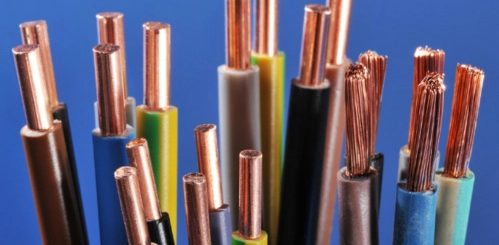
Measures for Cable Fire Protection
Cable fire protection is very important, especially in buildings and other premises, to ensure that cables do not become a source of fire spread in the event of a fire. The following are some common cable fire protection measures:
- Flame-retardant materials: Flame-retardant materials are used to manufacture the outer sheath of cables to reduce the rate of burning and flame spread of cables in a fire. Common flame retardant materials include Flame Retardant Polyvinyl Chloride (FRPVC) and Flame Retardant Polyethylene (FRPE), etc.
- Fire-resistant isolation: Ensure that there is sufficient isolation distance between cables and other flammable materials to prevent the spread of fire. Cables should usually be isolated from walls, beams, pipes, etc.
- Fire Resistant Coatings: Apply fire resistant coatings to cables and structural surfaces traversed by cables to increase their fire resistance. These coatings stop the further spread of flame and provide additional protection.
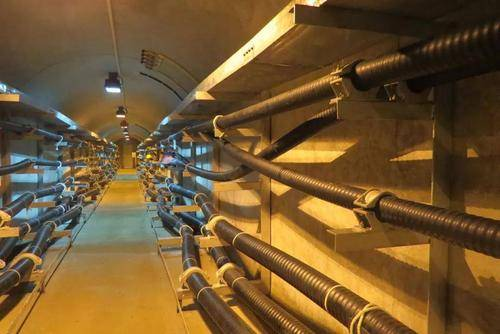
- fireproof encapsulation: For cables passing through walls, floors or partitions, they can be closed off with fireproof encapsulation. Fireproof encapsulation is a specially designed material that seals cable perforations in the event of a fire, preventing the passage of smoke and flame.
- Flame propagation arrestment: For cables traversing vertically, flame propagation arrestment devices such as firestopping tape, firestopping sleeves or firestopping sleeves can be used at the point of traversal. These devices can limit flame propagation at the crossing point.
- Regular Inspection and Maintenance: Inspect the cable system regularly to ensure that the cable sheath is intact and not damaged or deteriorated. Check that fire protection measures at cable crossing points are effective and repair or replace as necessary.
- Increase ventilation: Provide good ventilation systems in cable crossings and cable rooms to help dissipate heat and smoke and to reduce the risk of fire spread.
- Establish proper fire protection facilities: Install fire protection facilities such as fire alarms, fire extinguishers, automatic sprinkler systems, etc. in buildings as well as establish effective fire escape plans.
The selection and implementation of these cabl
e fire protection measures should be evaluated on a site-specific and needs basis and follow local building and fire codes. In addition, regular training and awareness-raising activities are an important part of ensuring that cable fire protection measures are effective.