Fiberglass Insulation: Properties and Electrical Uses
Fiberglass Insulation
Fiberglass consists of very fine glass fibers and is one of the most prevalent insulating materials, also including enameled wire for low-voltage transformers. It is commonly used in many different forms of insulation: blankets (wadding and rolls), loose fill, but also as rigid board and pipe insulation.
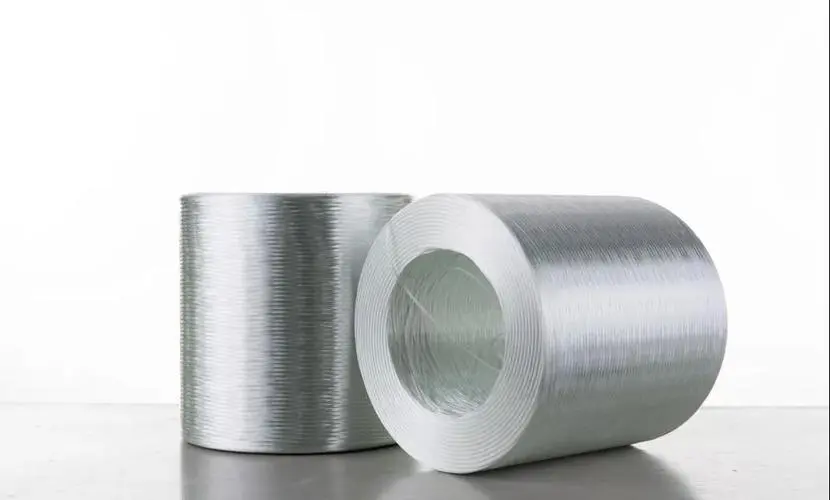
Fiberglass comes in many forms to suit different applications, the main ones being:
Fiberglass Tape: Fiberglass tape is made from fiberglass yarns and is known for its insulating properties. This form of fiberglass is widely used in packaging containers, heat pipes, etc.
Fiberglass Cloth: Fiberglass cloth is smooth and available in several variants such as fiberglass yarn and glass filament yarn. It is widely used as heat shields, fire curtains etc.
Fiberglass Rope: Rope is woven from fiberglass yarns and is used for packaging purposes.
Properties of Glass Fiber
Mechanical Strength: The electrical resistivity of glass fiber is greater than that of steel. Therefore, it is used to make high performance
Electrical Properties: Fiberglass is a good electrical insulator even at low thicknesses.
Non-combustibility: Since fiberglass is a mineral material, it is naturally non-combustible. It does not spread or support flames. No fumes or toxic products are released when heated.
Dimensional Stability: Glass fiber is insensitive to changes in temperature and humidity. It has a low linear coefficient of expansion.
COMPATIBILITY WITH ORGANIC MATRIXES: Fiberglass can come in a variety of sizes and is able to bond with many synthetic resins and certain mineral matrices (e.g., cement).
Non-rotting: Glass fibers do not rot and are unaffected by rodents and insects.
Thermal Conductivity: Fiberglass has low thermal conductivity, making it very useful in the construction industry.
Dielectric Permeability: This property of fiberglass makes it suitable for electromagnetic windows.
Power Generation: Fiberglass is used in many areas of the power generation industry, such as tank farms and scrubbers. The reason for this is the non-conductive properties of glass fibers.


