Wire Diameter: How It Is Measured and Why It Matters
Wire diameter is the cross-sectional diameter of the guide wire and is usually expressed in standard units such as millimeters (mm) or American Wire Gauge (AWG).
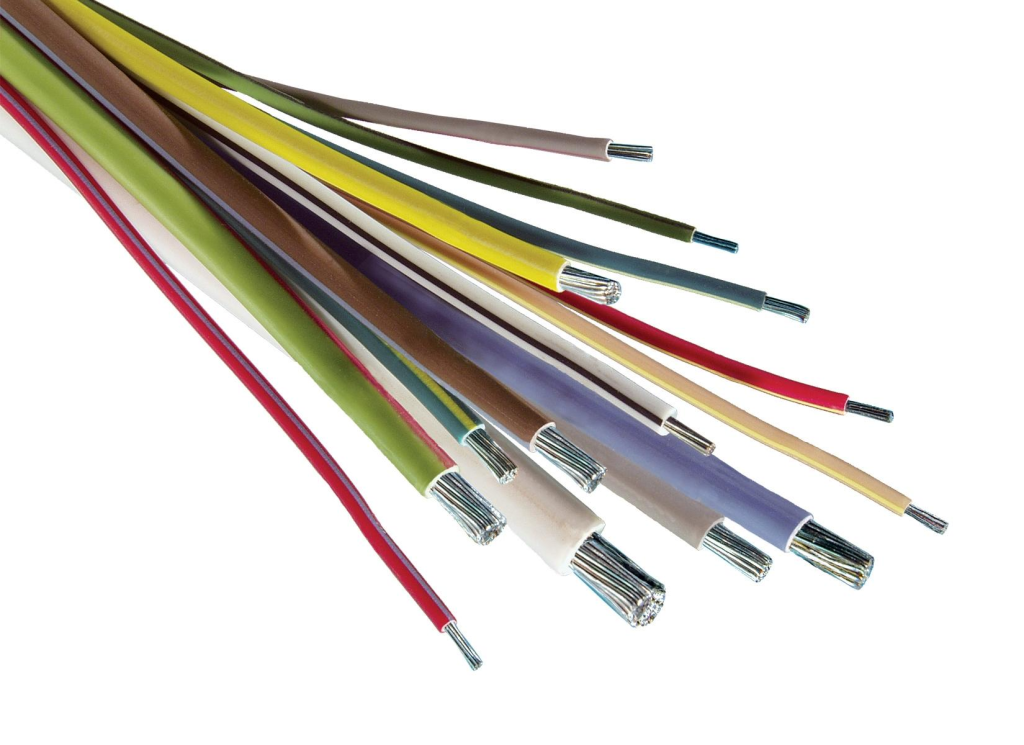
- Millimeter (mm) Expression: The diameter of the wire is expressed in millimeters, for example, the common diameter of the wire can be 0.5mm, 0.75mm, 1.0mm, 1.5mm, 2.5mm and so on. Larger numbers indicate larger wire diameters.
- American Wire Gauge (AWG) Expression: In the American Wire Gauge system, the wire diameter is expressed by AWG number. the smaller the AWG number, the larger the wire diameter. For example, common wire diameters may be AWG 18, AWG 16, AWG 14, AWG 12, etc. There is a standardized relationship between AWG number and wire diameter.
The following factors need to be considered when selecting a wire diameter:
- Current Load: Larger diameter conductors can carry higher currents, smaller diameters have lower current carrying capacity. Depending on the current requirements of the equipment and safety regulations, select the appropriate wire diameter to ensure safe and efficient current transfer.
- Resistance Loss: Longer wires cause resistance loss, so the proper wire diameter needs to be selected based on the length of the wire and the required resistance. Larger diameter wires can reduce resistance losses and provide better power transmission efficiency.
- Space constraints: Some application scenarios have high space constraints on the conductor, so smaller diameter conductors need to be selected to fit the space.
- Installation and Connection Requirements: Wire diameter also affects the difficulty of installation and connection. Larger diameter wires may be more difficult to bend and connect, while smaller diameter wires are more flexible and easier to use.
When selecting wire diameters, refer to electrical codes and related standards, or consult with a professional electrical engineer or supplier for advice to ensure that the appropriate wire diameter is selected for the specific application requirements.