Advantages of Multi-Layer Insulation for High-Power Applications
Multilayer insulation construction offers several advantages for high power applications:
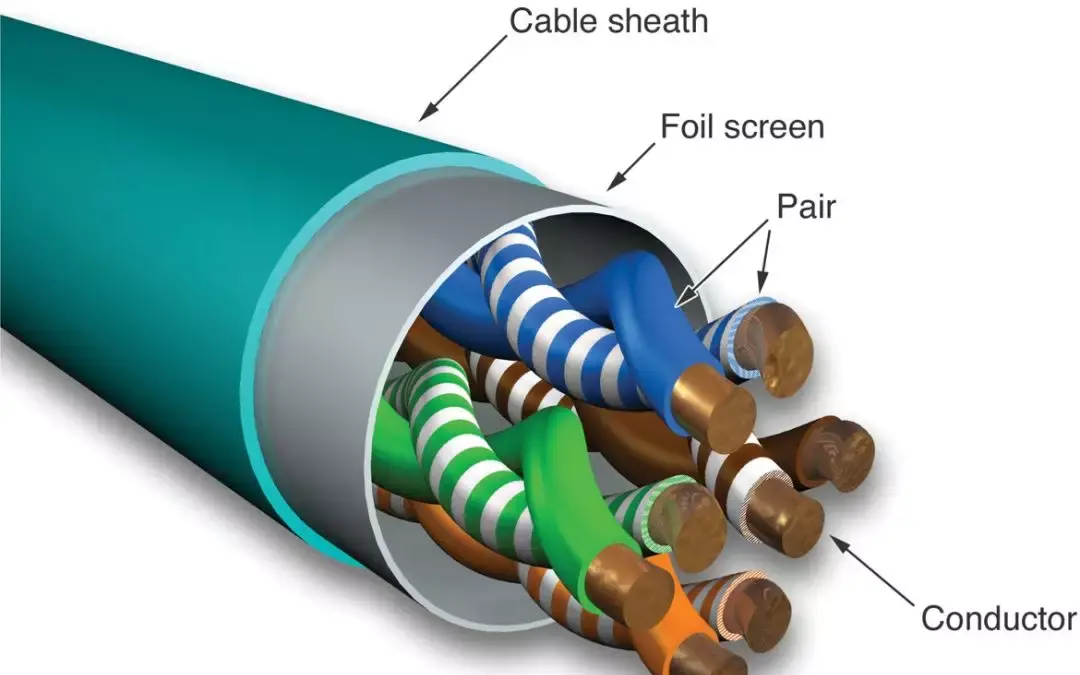
- Electrical isolation performance: High power applications often require high electrical isolation performance to ensure safety and reliability. Multilayer insulation provides multiple electrical isolation barriers between layers to prevent crosstalk of currents and signals. This electrical isolation performance protects critical electronic components from electromagnetic interference, noise and high voltage.
- Thermal management capability: High power applications are often accompanied by higher energy density and heat generation. Multi-layer insulation structures can provide better thermal management capabilities. By using different materials and thicknesses of insulation layers, a balance of thermal isolation and thermal conduction can be achieved. Thinner internal insulation provides good electrical isolation and promotes thermal conduction, while thicker external insulation provides higher thermal resistance and reduces the transfer of heat to the surroundings. This helps to reduce the operating temperature of the device and improve the thermal stability and reliability of the system.
- Noise and interference control: In high power applications, electronic devices may generate noise and interference. Multi-layer insulation structure can effectively isolate the signal transmission between different layers and reduce the impact of electromagnetic interference. At the same time, the multi-layer insulation structure also reduces signal crosstalk and improves the circuit’s immunity to interference. This helps maintain signal integrity and accuracy, ensuring reliability and performance stability in high power applications.
- Space efficiency and compact size: Multi-layer insulation structures allow for high electrical isolation and thermal management capabilities in a limited space. Compared to single-layer thick insulation structures, multilayer insulation structures can provide more layers to integrate electrical isolation and thermal management functions in a more compact size. This is advantageous for board and device design in high-power applications, allowing for higher integration and smaller dimensions.
In summary, multilayer insulation structures offer better electrical isolation performance, thermal management capability, noise and interference control, as well as space efficiency and size compactness in high-power applications. These advantages help improve system reliability, performance and stability, and meet the insulation requirements of high-power applications while enabling efficient circuit design and layout.