Glass Fiber Insulation: Thermal Properties and Wrapping Uses
Glass fiber, consisting of very fine glass fibers, is one of the most widespread insulating materials and also covers the enameled wire of low-voltage transformers. It is commonly used in many different forms of insulation: blankets (in balls and rolls), loose fillers, and also in rigid board and pipe insulation.

Glass fiber is available in various forms to suit different applications, the main ones being the following:
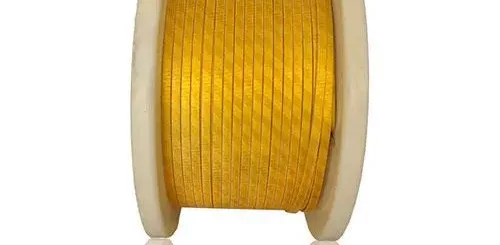
Glass Fiber Tape: Glass fiber tape is composed of glass fiber yarns and is known for its thermal insulating properties. This form of glass fiber has a wide range of applications in wrapping containers, hot piping, etc.
Fiberglass Cloth: Fiberglass cloth is smooth and comes in various variants such as fiberglass yarn and glass filament yarn. It is widely used as a heat shield, in fire curtains and others.
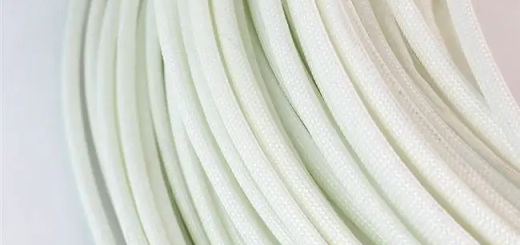
Fiberglass Rope: Rope is made of woven fiberglass yarns and is used for packaging purposes.
Properties of glass fiber
Mechanical strength: The specific resistance of glass fiber is greater than that of steel. Therefore, it is used to make high performance
Electrical properties: Glass fiber is a good electrical insulator, even at low thicknesses.
Non-combustibility: Since fiberglass is a mineral material, it is naturally non-combustible. It does not propagate or support flames. It does not emit fumes or toxic products when heated.
Dimensional Stability: Fiberglass is insensitive to changes in temperature and humidity. It has a low coefficient of linear expansion.
Compatibility with Organic Substrates: Glass fiber can come in a variety of sizes and has the ability to bond with many synthetic resins and certain mineral substrates such as cement.
Non-decay: Glass fiber does not decay and is unaffected by rodent and insect action.
Thermal Conductivity: Glass fibers have low thermal conductivity, making them very useful in the construction industry.
Dielectric permeability: This property of fiberglass makes it suitable for electromagnetic windows.
Power Generation: Many areas of the power generation industry such as oil depots, scrubbers, etc. use fiberglass. The reason for this is the non-conductive nature of glass fiber.