Alternators: Working Principle, Components and Applications
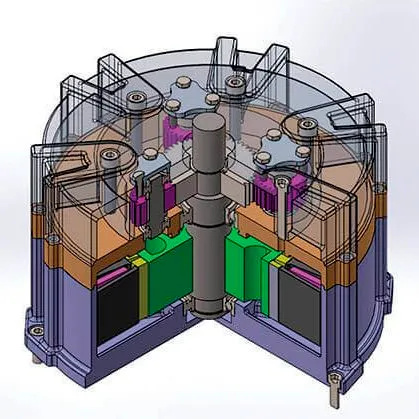
An alternator is a device that converts mechanical energy into AC electrical energy. Its basic construction consists of two parts: the rotor and the stator.
The rotor is the rotating part of the generator and usually consists of a permanent magnet or electromagnet. When the rotor rotates, it produces a change in the magnetic field in the stator coil, which induces an electric potential in the stator coil.
(1) The latch polarity of the battery must be consistent with the alternator latch polarity. The consequence of not using in accordance with the specifications is that the diode is damaged due to the high current discharge of the diode.
(2) rectifier six diodes and the stator winding connected, absolutely prohibit the use of megohmmeter or 220V AC power supply to check the insulation of the alternator. Otherwise, easy to make the diode breakdown and damage.
(3) after the engine is turned off, the ignition switch should be disconnected. Not in time, the battery will continue to discharge, thus affecting the magnetic field, shortening the battery time.
(4) when the alternator is running, you can not use the test fire method to check whether to generate electricity. Otherwise, it is easy to damage the diode as well as electronic components.
(5) The regulator and the alternator must have the same form of lap, otherwise the alternator will not be able to output voltage due to no magnetic field current. And the voltage level of the two should be the same, otherwise the charging system can not work properly.
(6) found that the alternator does not generate electricity or charging current hours, should be timely troubleshooting, and the alternator and the battery between the wire connection should be solid. Otherwise, it is easy to damage the diode and electronic components.
(7) When the alternator is installed on the engine, the center of the alternator’s pulley slot and the engine’s pulley slot should be aligned, and also set the appropriate belt tension.
(8) When installing the V-belt early, pry the front cover of the alternator hard. Otherwise, it will crush the components
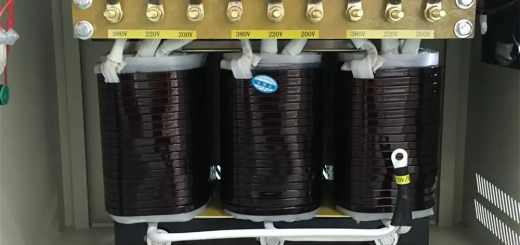
Stator is a fixed part of the generator, usually consists of a number of coils. These coils are usually mounted on the core or iron core to increase the magnetic flux and improve the efficiency of the generator. As the rotor rotates, changes in the magnetic field pass through the stator coils, thereby inducing an electric potential in the stator.
The output voltage and frequency of an alternator depend on the speed of rotation, the strength of the magnetic field, and the number and shape of the stator coils. To produce a stable output voltage and frequency, a regulation system is usually required to control the rotor rotation speed and excitation current.
Alternators are widely used in various applications, including power systems, wind turbines, hydroelectric generators, gas turbines, etc.