Power Cables: Structure, Function and Electrical Transmission Uses
A power cable is an electrical device used to transmit electrical energy from a power plant, substation or other power source to a customer terminal or to different electrical equipment. It consists of conductor, insulation, outer sheath and other auxiliary components.
Main components of power cables:
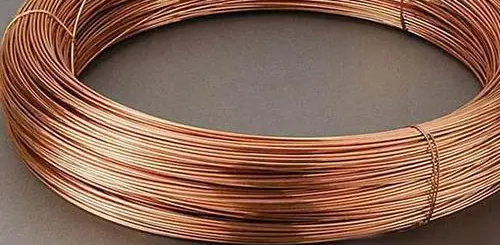
1. Conductor: The conductor is the part of the power cable that is responsible for carrying current. Commonly used conductor materials include copper and aluminum. Copper conductors have good electrical conductivity and oxidation resistance, while aluminum conductors are lighter and relatively inexpensive. The conductor can be a single wire or a stranded conductor consisting of multiple wires.
2. Insulation: The insulation is the part of the cable used to stop the loss of current from the conductor, preventing power loss and current leakage. Common insulation materials include polyethylene (PE), cross-linked polyethylene (XLPE) and rubber.
3. Outer jacket: The outer jacket is the layer that protects the internal parts of the cable from mechanical damage, moisture, chemicals and the environment. The outer sheath is usually made of materials such as polyvinyl chloride (PVC) or polyethylene (PE).
4. Auxiliary components: Power cables may also include other auxiliary components, such as shields, insulation fillers, sheaths, etc. The shield is used to reduce electromagnetic interference, the insulation filler is used to fill the gaps between conductors, and the sheath is used to provide additional protection.
5. Power cables can be classified into various types according to their usage and characteristics, such as low-voltage cables, medium-voltage cables and high-voltage cables, as well as different application areas, such as power transmission, industrial use and construction areas. The selection of power cables depends on factors such as current load, distance, environmental conditions and safety requirements