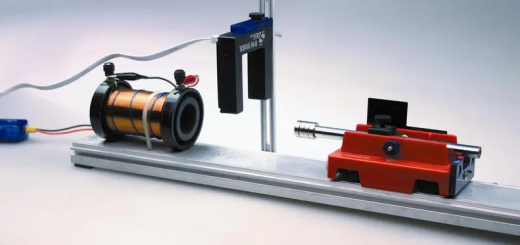
Transformer Coils: Structure, Materials and Winding Function
Transformer coils are the windings or coils in a transformer. They play a vital role in the conversion of electrical energy from one voltage level to another. Transformers are basic devices used to effectively raise or lower alternating current (AC) voltages.
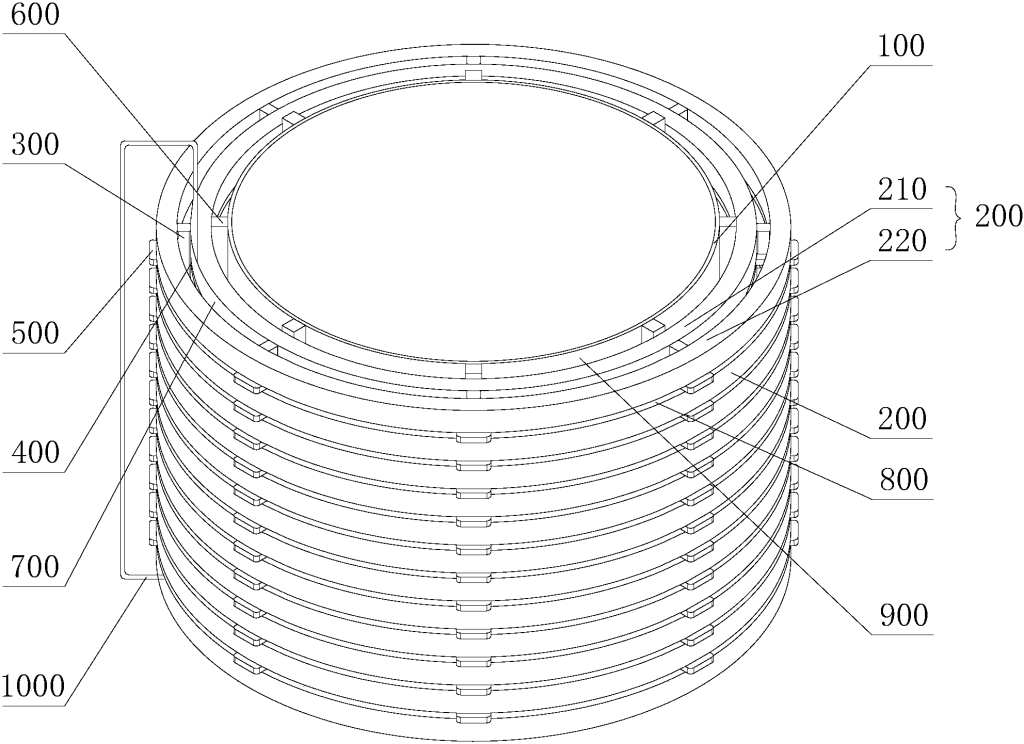
Transformers usually consist of two or more coils, called primary and secondary windings. The primary winding receives the power from the AC source, while the secondary winding transmits the converted output voltage to the load.
The primary winding is connected to the input voltage source and the secondary winding is connected to the load or the device receiving the transformed voltage. The number of turns in each coil determines the voltage ratio between the primary and secondary sides of the transformer.
The coils are usually wound on a core made of laminated steel or other magnetic material. The core is used to enhance the magnetic coupling between the primary and secondary windings and to increase the efficiency of energy transfer.
Transformer coils are usually made of copper or aluminum wire because of their excellent electrical conductivity. Copper is preferred for most high power applications because of its higher conductivity and better thermal properties.
The size and gauge of the wire used in the coil depends on factors such as the power rating of the transformer, current carrying capacity and temperature rise limitations. The winding arrangement and insulation materials used in the coil are also critical to the performance, electrical insulation and reliability of the transformer.
Transformer coils need to be carefully designed and manufactured to ensure proper insulation, uniform windings and efficient energy transfer. Factors such as wire gauge, number of turns, coil configuration and insulation rating must be considered to meet specific voltage conversion requirements and safety standards.