Category: Materials

0

Polyvinyl Chloride

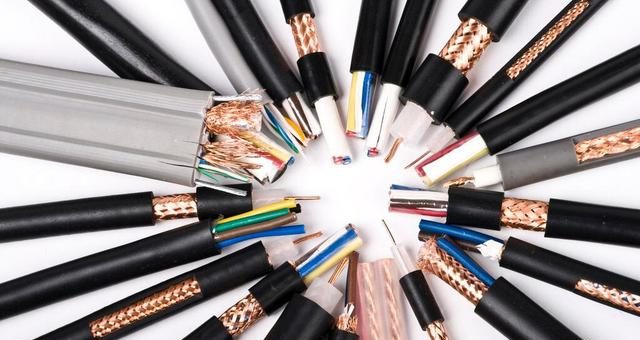
Polyvinyl chloride (PVC) insulation is a common wire and cable insulation material with the advantages of low cost, good insulation performance, corrosion resistance, and easy processing. PVC insulation usually uses additives such as plasticizers...

0

Polyester Coating

Les revêtements polyester sont largement utilisés dans les secteurs de la construction, de l’automobile, de l’électronique et de l’aérospatiale, tels que les façades de bâtiments, les carrosseries de voitures et les boîtiers de produits électroniques, afin d’en améliorer la durabilité et l’esthétique.

0

yjv cable insulation material

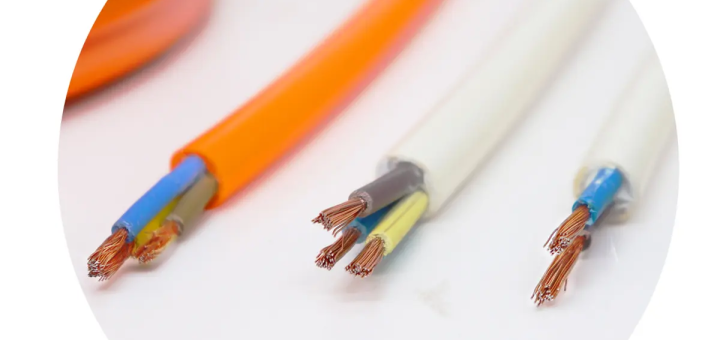
According to the cable laying environment and the different load, is designed to choose the cable specification type specifications. The non-armor type is suitable for overhead, indoor, tunnel, cable trench, etc. It cannot bear the action of J mechanical external force, while the armor type can be buried underground under the same conditions as the non-armor type. Can withstand certain mechanical external force. Single-core cables are not allowed to be laid in pipes that produce magnetism. Flammable and explosive, chemically corrosive and high temperature, low temperature and other occasions should choose a special type of cable.
0

How to choose waterproof cable material

Cable waterproof way is generally divided into two kinds of longitudinal water resistance and radial diameter water. Longitudinal water resistance is generally used to block water yarn, water-blocking powder and water-blocking tape, their water-blocking mechanism is in these materials contain a water-expandable material, when the water from the end of the cable or from the sheath defects into the water, this material will be water quickly expand to prevent further diffusion of water along the cable longitudinal, so that the purpose of the cable longitudinal waterproofing. Radial water resistance is mainly achieved by extruding HDPE non-metallic sheathing or hot pressing, welding, cold drawing metal sheathing.

0

The difference between high voltage and low voltage cables

The difference between high-voltage cables and low-voltage cables lies mainly in the rated voltage withstood and the difference in the environment and use. Therefore, when selecting and using cables, it is necessary to determine the appropriate cable type according to the specific application requirements and standard regulations.

0

How to choose the right enameled wire insulation material

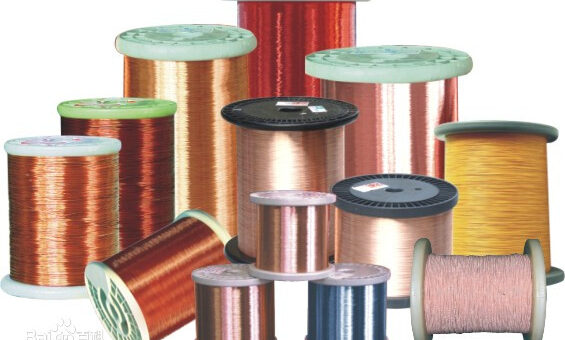
If the enameled wire needs to be used in a radiation environment, you can choose an insulating material with radiation stability performance. At the same time, it also needs to be selected according to the relevant standards and specifications to ensure the safe and reliable use of enameled wire.