Resistivity: Definition, Formula and Electrical Applications
Resistivity is the degree of resistance of a material to the flow of electric current and is an important indicator of electrical conductivity. It expresses the resistive capacity of a material per unit length per unit cross-sectional area.
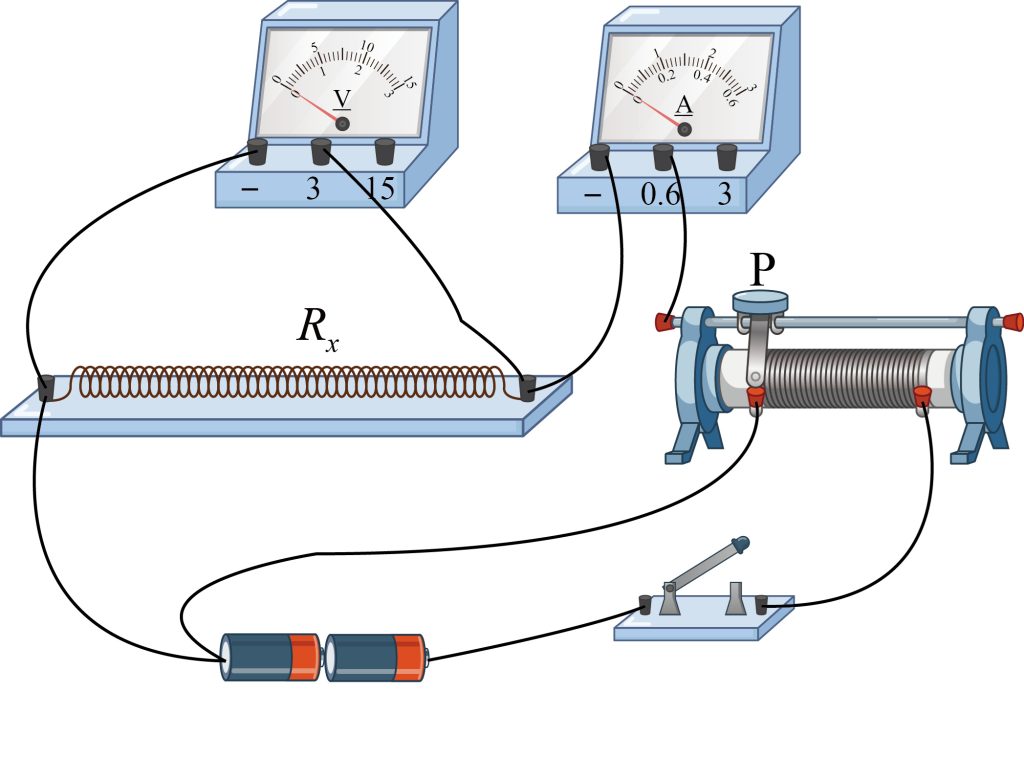
The common symbol for resistivity is ρ (rho) and the unit is Ω-m (ohm-meter).
There is an inverse relationship between resistivity and electrical conductivity, which can be expressed by the following equation:
ρ = 1/σ
where ρ denotes resistivity and σ denotes electrical conductivity.
Resistivity is one of the material properties and varies greatly from material to material. In general, metallic materials have low resistivity and are therefore good conductors of electricity. For example, copper and silver have low resistivity and are widely used in electrical conductors and electronic devices.
Other non-metallic materials such as ceramics and plastics usually have a higher resistivity and are therefore used as insulating materials to isolate electrical currents or as insulation for electronic components.
Resistivity is also affected by temperature. The resistivity of some materials varies with temperature, which is known as the temperature coefficient. The temperature coefficient expresses the rate of change in resistivity per unit change in temperature. An increase in temperature usually results in an increase in the resistivity of a material because an increase in temperature increases the vibration of atoms or molecules within the material, resulting in an increase in the scattering of electrons with impurities or lattices, which increases the resistance.
In engineering and design, understanding the resistivity of a material is important for selecting the right material, designing circuits and optimizing electrical performance. Depending on the needs of a specific application, materials with the appropriate resistivity can be selected to achieve the desired resistive properties and performance.