How to Confirm Winding Wire Diameter Meets Motor Design Requirements
The following factors need to be considered to determine that the wire diameter of the winding wire meets the requirements of the motor design:
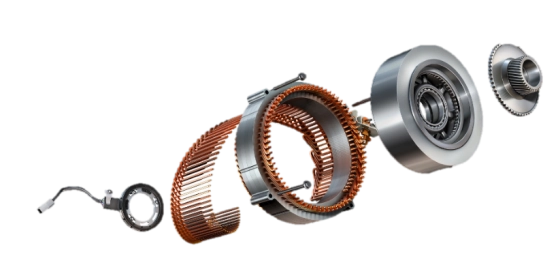
- Current Load: First, it is necessary to understand the rated current load of the motor design. The rated current is the current required by the motor under normal operating conditions. Based on the value of the rated current, the required conductive capacity of the winding wire can be determined.
- Temperature increase: The passage of current through the winding wire creates a certain resistance, which causes the wire to heat up. Therefore, the temperature rise of the winding wire also needs to be considered. Usually, the maximum permissible temperature rise of the winding wire is specified in the motor design. Based on this value, the appropriate winding wire and wire diameter can be selected to ensure that the temperature rise of the wire does not exceed the limited value at the rated current.
- Resistance of the wire: The resistance of the winding wire directly affects the efficiency of the motor. Higher resistance leads to energy loss and increased heat generation. Therefore, it is necessary to select winding wire with appropriate resistance value to ensure the efficiency and performance of the motor.
- Mechanical strength of the wire: Winding wire also needs to have sufficient mechanical strength to withstand forces and vibrations during motor operation. Too small a wire diameter may result in a wire that is prone to breakage, while too large a wire diameter increases the size and weight of the winding.
In order to determine that the wire diameter of the winding wire meets the motor design requirements, a combination of electro-thermal calculations and engineering practices are usually required. This involves using electro-thermal calculations to estimate the appropriate wire diameter for the winding wire based on parameters such as current load, temperature rise and wire resistance. In addition, reference to relevant motor design guidelines, manufacturer supplied data and empirical knowledge is required to ensure that the wire diameter selected meets the performance, safety and reliability requirements of the motor.
In practice, it is best to consult a motor design expert or refer to relevant motor design guidelines and standards to ensure that the wire diameter of the winding wire is selected to meet the requirements of the motor design.


