Magnet Wire: Insulation, Structure and Electromagnetic Uses
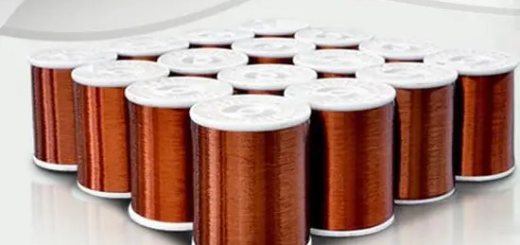
Magnetically insulated winding wire, also known as electromagnetic wire, is used in a variety of electrical devices that require the generation of electric and/or magnetic fields to perform electromechanical work. Examples of such equipment include electric motors, generators, transformers, actuator coils, etc.
Typically, an electromagnetic wire is constructed by applying electrical insulation to a metallic conductor (e.g., copper, aluminum), or an alloy conductor. The conductor is typically drawn or formed to have a rectangular or circular cross section. The electrical insulation is typically formed to provide electrical integrity and prevent short circuiting of the wire. Conventional insulation materials include polymeric enamel films, polymeric tapes, insulating papers, and certain combinations thereof.
Conventional electromagnetic wires are made from polymeric enameled insulation that is continuously coated and baked in an oven. In order to obtain higher dielectric and partial discharge properties, more layers are usually applied and therefore a thicker enamel is required.
According to American Society for Testing and Materials (“ASTM”) Standard 2307, electromagnetic wire can have a thermal classification of at least 220°C. The wire is also resistant to various oils, liquids and/or chemicals, such as transmission fluids. In addition, the wire is capable of withstanding significant mechanical forces during coil formation.