Copper Foil
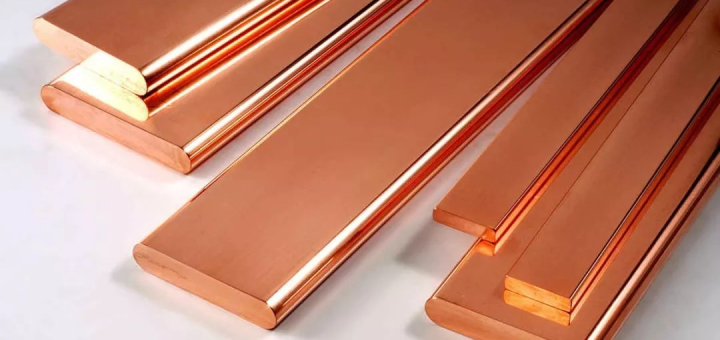
Copper foil is a cathodic electrolytic material that is deposited as a thin, continuous layer of metal foil on the substrate layer of the circuit board, which acts as the conductive body of the PCB.
Copper & Aluminum Wire

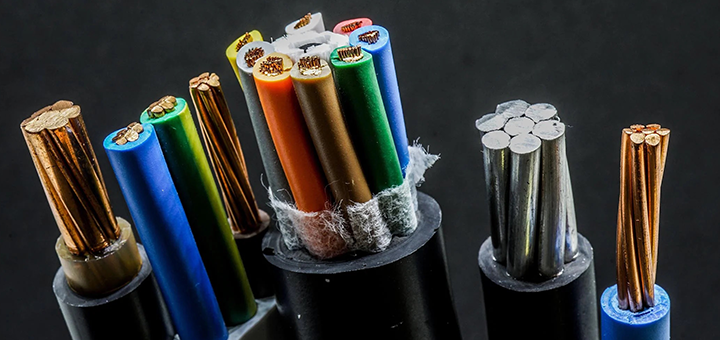
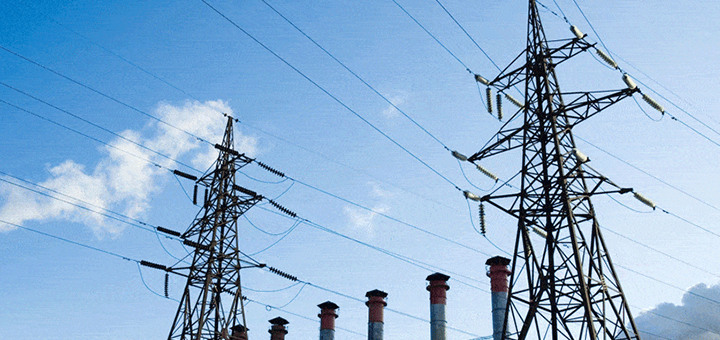
Copper foil is a cathodic electrolytic material that is deposited as a thin, continuous layer of metal foil on the substrate layer of the circuit board, which acts as the conductive body of the PCB.
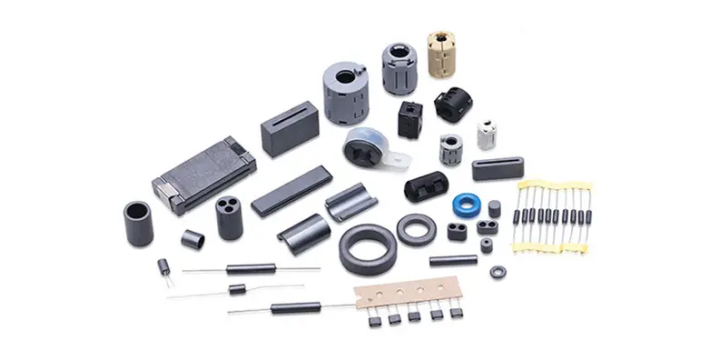
Ni-Zn ferrite is a soft magnetic material made from Ni-Zn mixed oxide, Fe2O3 and other auxiliary materials through a series of processes.
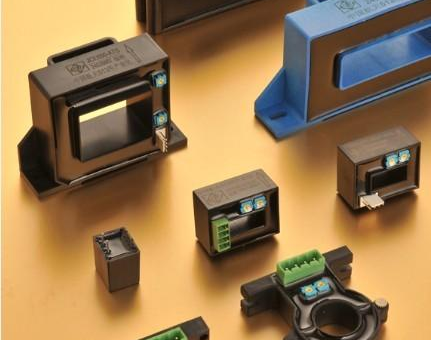
Current sensor, a detection device, can feel the information of the measured current, and is usually used to monitor the current changes in the power system.
High permeability refers to the permeability of a material in the presence of a magnetic field. Permeability is the ability of a material to respond to a magnetic field and is usually expressed as the ratio of magnetic flux density to magnetic field strength.
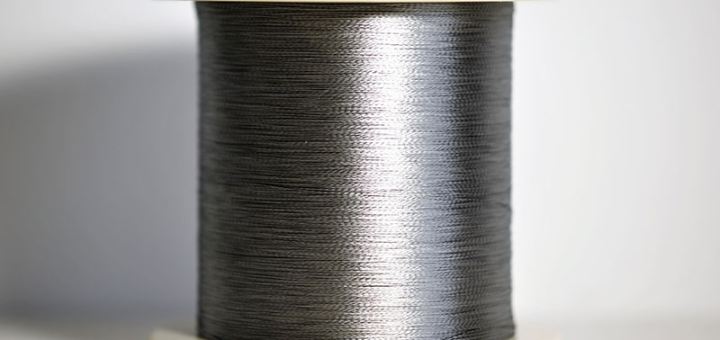
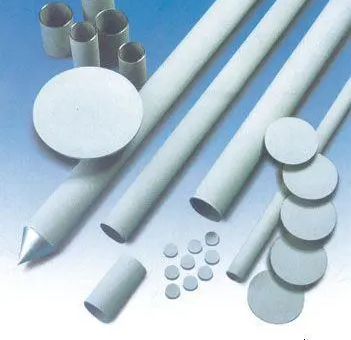
Metal fiber has good electrical conductivity, mechanical properties and corrosion resistance, and can meet the requirements of different fields of material performance, is a material with a wide range of prospects.
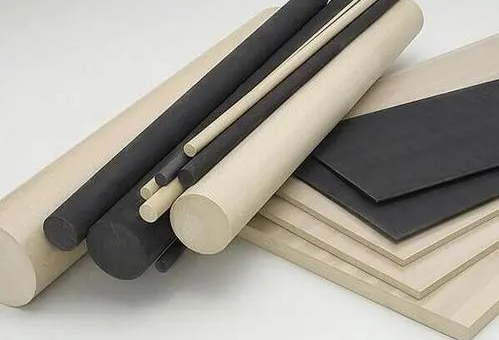
Polyetheretherketone (PEEK) is a polymer consisting of a ketone bond and two repeating units of the ether bond in the main chain structure, and is a special polymer material.
Polytetrafluoroethylene (PTFE) is a polymer material with excellent chemical stability, thermal stability and wear resistance.
Conductive materials are materials specifically designed to carry and conduct electric current and are generally divided into two categories: good conductor materials and high resistance materials.
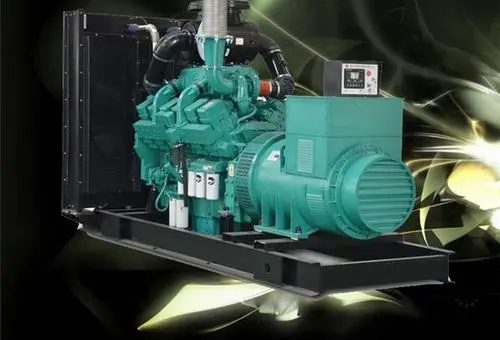
A DC generator is a device that converts mechanical energy into DC electrical energy. It is mainly used as a DC motor required for DC motors, electrolysis, electroplating, electrometallurgy, charging and excitation of AC generators.
An alternator is a device that converts mechanical energy into AC electrical energy. Its basic construction consists of two parts: the rotor and the stator.
更多
brushless motor cable wire Copper Conductor Dry-type transformer E-Turning Machine Electrical Wire Electric motors Electromagnetic induction Electromagnetic noise Electromagnetic Vibration Enameled Copper Round Wire enameled wire Flat Wire Motors Foil windings Frequency converter High Power Transformers Insulating Coating Insulating Materials Insulation Insulation impedance Insulation Layers Insulation Materials Insulation thickness Magnetic field saturation effect Motor Motor Magnetic Field Motor Noise Motor overload Motors motor winding Multi-Layer Insulation Power Exhibition Rectifier Transformers Slot Shape Toroidal Transformer Wire Transformer Transformer enameled wire Transformers transformer windings Vibration Control Vibration torque Voltage Signal Converter Winding Wire wire Wire Diameter